Washington State Food Truck License Application Process Demystified
Most Food Truck Permit Advice Is Written by People Who've Never Applied
You’ve seen the generic lists. “Step 1: Get a business license. Step 2: Get a food permit.” It’s useless. The real Washington state food truck license application process is a multi-agency maze where a single missed signature can cost you months. The problem isn't finding the forms—it's understanding the hidden dependencies and the real-world timeline that no government website will give you. Let's cut through the bureaucracy.
The Three-Headed Beast: State, County, and City
Forget a single "license." You're applying for a system of permits. In Washington, your primary regulators are the Washington State Department of Revenue (for your business), the Washington State Department of Agriculture (WSDA) or your local county health department (for food safety), and the individual city or town where your truck will be based and operate. Which health department governs you? That’s your first critical fork in the road. If you operate in multiple counties, you might need multiple health permits. This isn't an exception; it's the standard for anyone wanting to chase events or farmers' markets across regions.
Your First Real Decision: WSDA vs. Local Health Jurisdiction
This is where most new owners get paralyzed. The WSDA oversees "mobile food units" that operate in two or more county health jurisdictions. Your local county health department (like King County Public Health or Snohomish Health District) oversees trucks operating solely within their borders. Choosing wrong means redoing your entire application.
Here’s the rule of thumb: If you plan to park in one city and never leave its county, go local. It’s often faster and cheaper. If you dream of hitting festivals in Spokane, events in Tacoma, and a regular spot in Seattle, you must go with the WSDA. Their permit is your state-wide passport. The application fee for a WSDA Mobile Food Unit permit starts around $387 for 2026, plus plan review fees. A King County permit will run you roughly $285 annually, plus inspection fees. But the fee is the easy part.
The Timeline Nobody Wants to Talk About
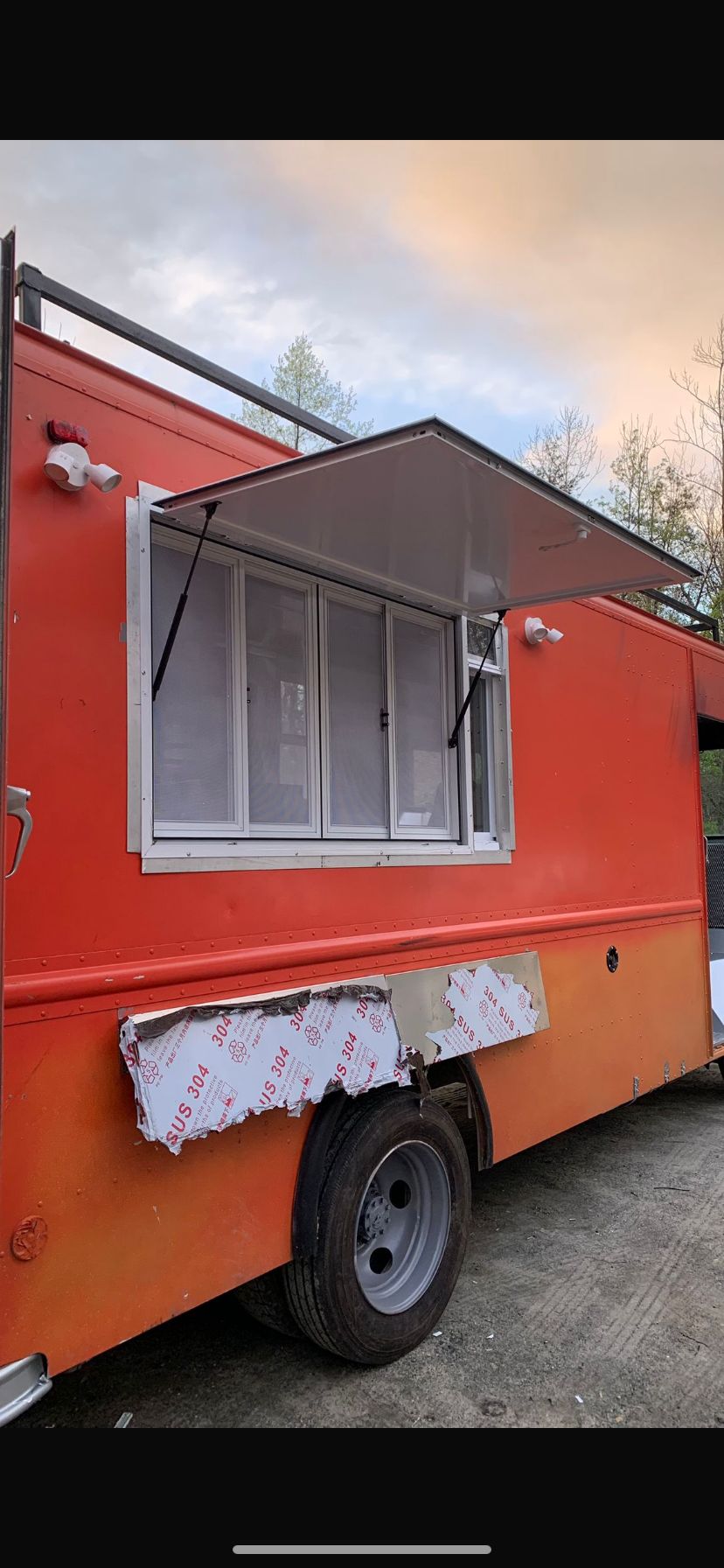
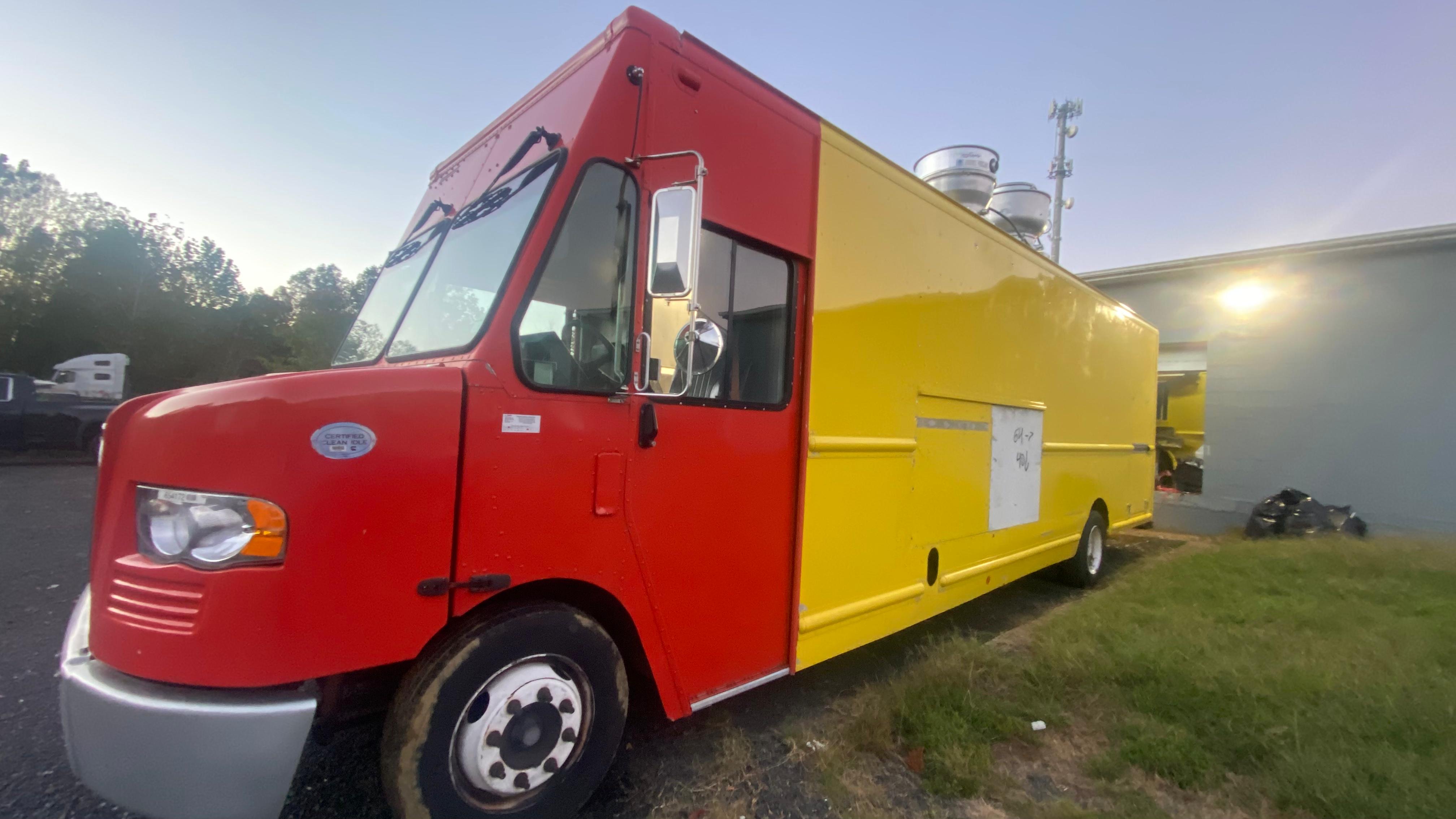
You cannot apply for your health permit until your mobile kitchen exists and is fully built-out. They need to inspect it. This is the single biggest timeline killer. You see a 30-day processing window on a website? That clock starts after you submit complete, perfect paperwork for a truck that's ready to roll. The real timeline from buying a used vehicle to holding your permit is 4 to 6 months. I’ll say it again: four to six months. This includes vehicle purchase, conversion or outfitting, the application marathon, and the inspection scheduling dance. Underestimating this is why so many "spring launch" ideas become fall realities.
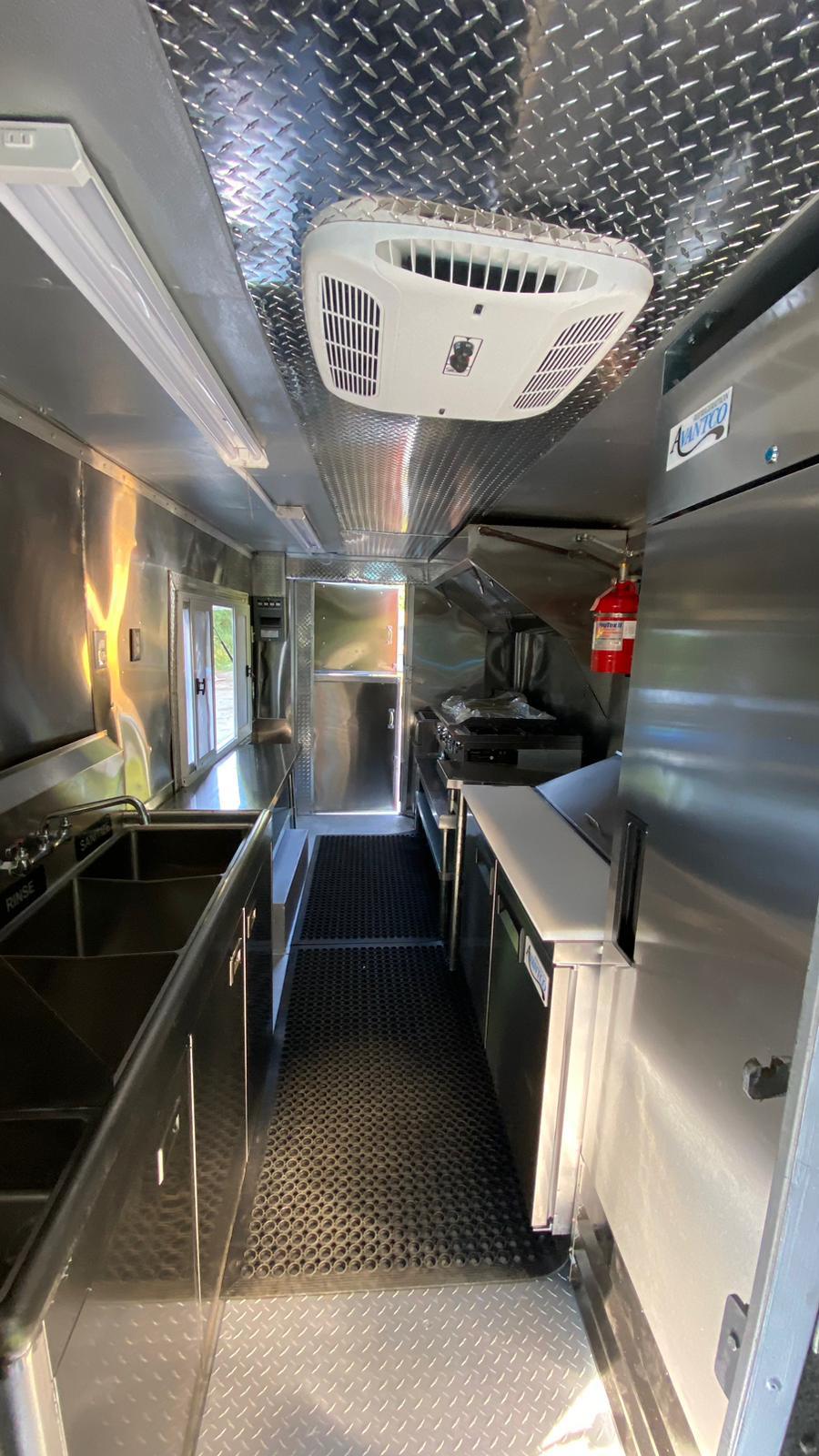
This is where a professional build matters. Health departments don't just glance at your truck. They check for NSF-certified equipment, proper plumbing diagrams, adequate ventilation, and correct waste water tank sizing. A sloppy conversion from a generic shop will fail. Passing that first inspection is everything. For a deep dive on a layout that works, our guide on how to design a food truck kitchen for high volume covers the critical specs inspectors look for.
The Hidden Forms and Fees (Beyond the Health Permit)
Your health permit is the star, but the supporting cast will sink your show if ignored.
- Business License: Washington State Department of Revenue. Fee: ~$90 (but varies by city endorsement). This gets you your UBI number.
- City Business License: If your "home base" is in a city like Seattle, you need their license too. Seattle’s fee is about $110-$140.
- Mobile Food Facility Permit: Some cities, like Seattle, require this on top of your health permit to operate on public property. It’s a separate application, separate fee (~$200-$500), and often requires proof of a commissary agreement.
- Commissary Agreement: You must have a signed contract with a licensed commercial kitchen for parking, servicing, and waste disposal. No agreement, no permit. This costs $300-$800+ per month.
See how it stacks up? The health permit is just one line in your budget. For a reality check on the biggest line item—the truck itself—see what the average cost to build a food truck looks like in 2026, even if our example is from Texas, the principles of budget shock are universal.
Why Your Application Gets Rejected (It’s Not What You Think)
It’s rarely the food safety quiz. It’s administrative. Incomplete commissary agreements. Missing proof of vehicle ownership or insurance. Plumbing plans drawn on a napkin. Incorrect payment amounts. The reviewing clerk isn't your guide; they’re your auditor. One missing item kicks the entire packet back to the bottom of the pile. Your 30-day wait starts over.
The Smart Path: Work Backwards from Your Launch Date
Want to serve at the Bite of Seattle in July? Mark your calendar. Then count backwards.
6 Months Out: Secure your commissary. Start your vehicle build/conversion. Begin drafting your application materials.
4 Months Out: Submit your complete health permit application the moment your truck is inspection-ready.
2-3 Months Out: Target your pre-operational inspection. Apply for all city-level permits.
1 Month Out: Have all permits in hand. Conduct a soft launch, test systems, train staff.
This schedule is aggressive. It assumes no major build delays or application hiccups. Most people need more time. The process in Washington has parallels to other regulated states; for a different perspective, you can see how Virginia handles it in our step-by-step guide for new owners there.
So, Is It Worth It?
Absolutely. Washington’s market, from Seattle to Spokane, is vibrant and hungry for mobile food. But going in blindfolded is a financial disaster. The Washington state food truck license application process is a test of patience and meticulousness, not just your recipes. Your best investment isn't a flashy grill—it's the time spent mapping this process perfectly for your specific business model. Get the sequence wrong, and you’re paying for a parked truck, not a profitable one.
If staring at a blank form and a half-built truck feels overwhelming, that’s because it is. Sometimes the fastest path is a direct conversation with people who’ve navigated this maze hundreds of times. Consider a professional mobile kitchen consultation to build your timeline and avoid the $10,000 mistake of a delayed launch.