Used Box Truck to Food Truck Conversion Cost: The 2026 Reality
What's the Real Used Box Truck to Food Truck Conversion Cost?
How much does it really cost to turn a used box truck into a food truck? If you're asking this, you're already on the right track—you know a brand-new, turn-key rig can cost $150k+. You're looking for the smarter path. But here's the sting: the answer isn't a single number. It's a minefield of "it depends," and getting it wrong means you'll run out of cash before you ever hit the streets of Houston or Seattle. The real used box truck to food truck conversion cost isn't about the truck's price tag; it's about the sum of a thousand hidden decisions you haven't even considered yet.
The Truck Itself: Your First (and Biggest) Mistake
You see a 16-foot box truck on a commercial auction site for $12,000. It runs. The box looks solid. You think you just saved $50,000. This is where dreams die.
That $12k truck is a blank slate, and a dangerous one. Is the refrigeration system in the cab shot? What's the condition of the brake lines? More critically, is the floor of the box rotted out from years of hauling who-knows-what? I've seen entrepreneurs buy a "steal" only to spend $8,000 more just on mechanical repairs and a new subfloor before a single piece of kitchen equipment is even discussed. The truck isn't your foundation; it's your first variable. Budget $15,000 to $25,000 for a decent used truck that won't immediately need a new engine. And for God's sake, get a pre-purchase inspection from a diesel mechanic, not your uncle who's "good with cars."
Where Your Budget Actually Goes: The Build-Out
This is the heart of the matter. The truck is just the shell. The conversion is the business. Here’s where a typical budget for a 16-20ft box truck gets real in 2026:
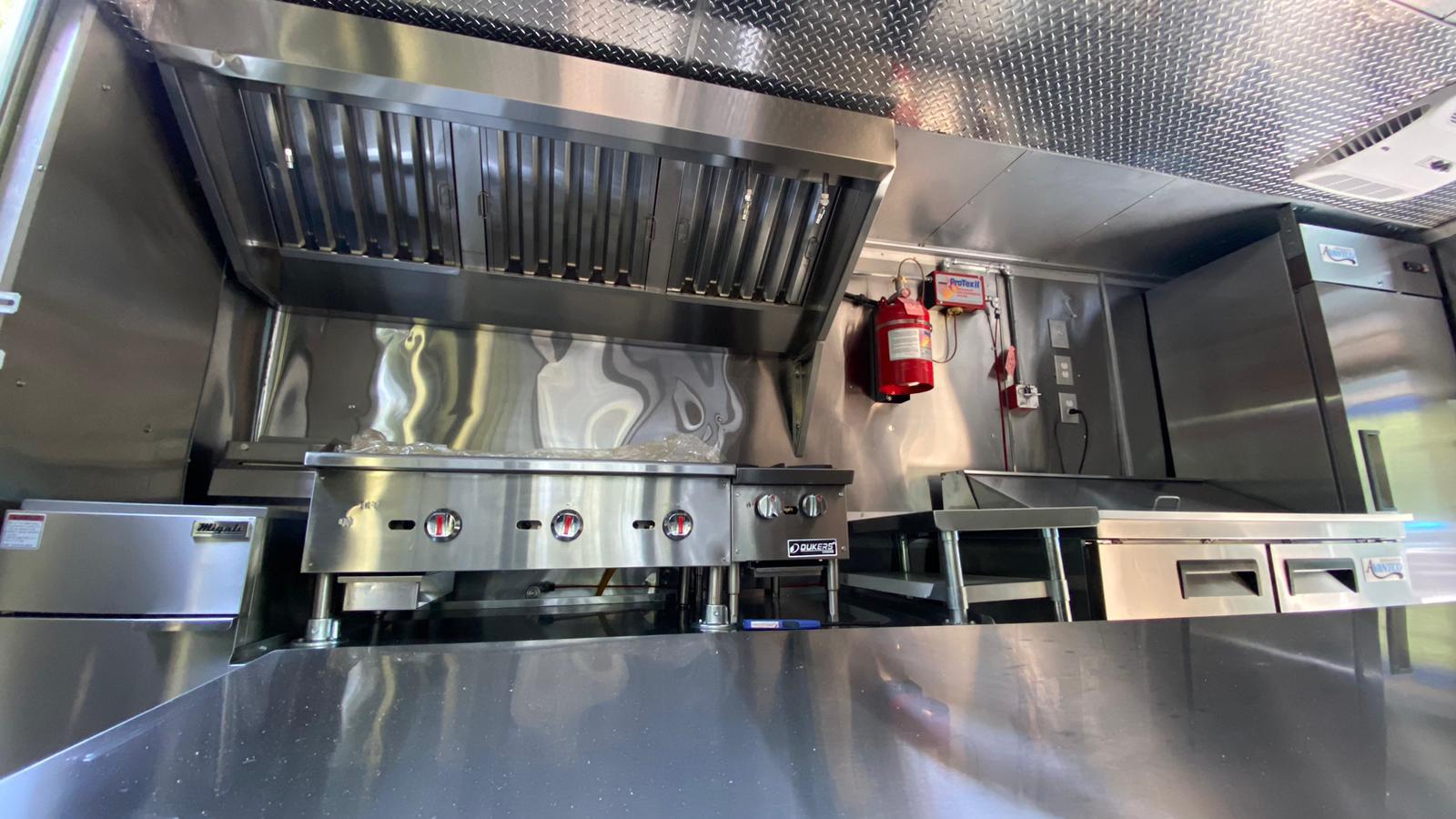
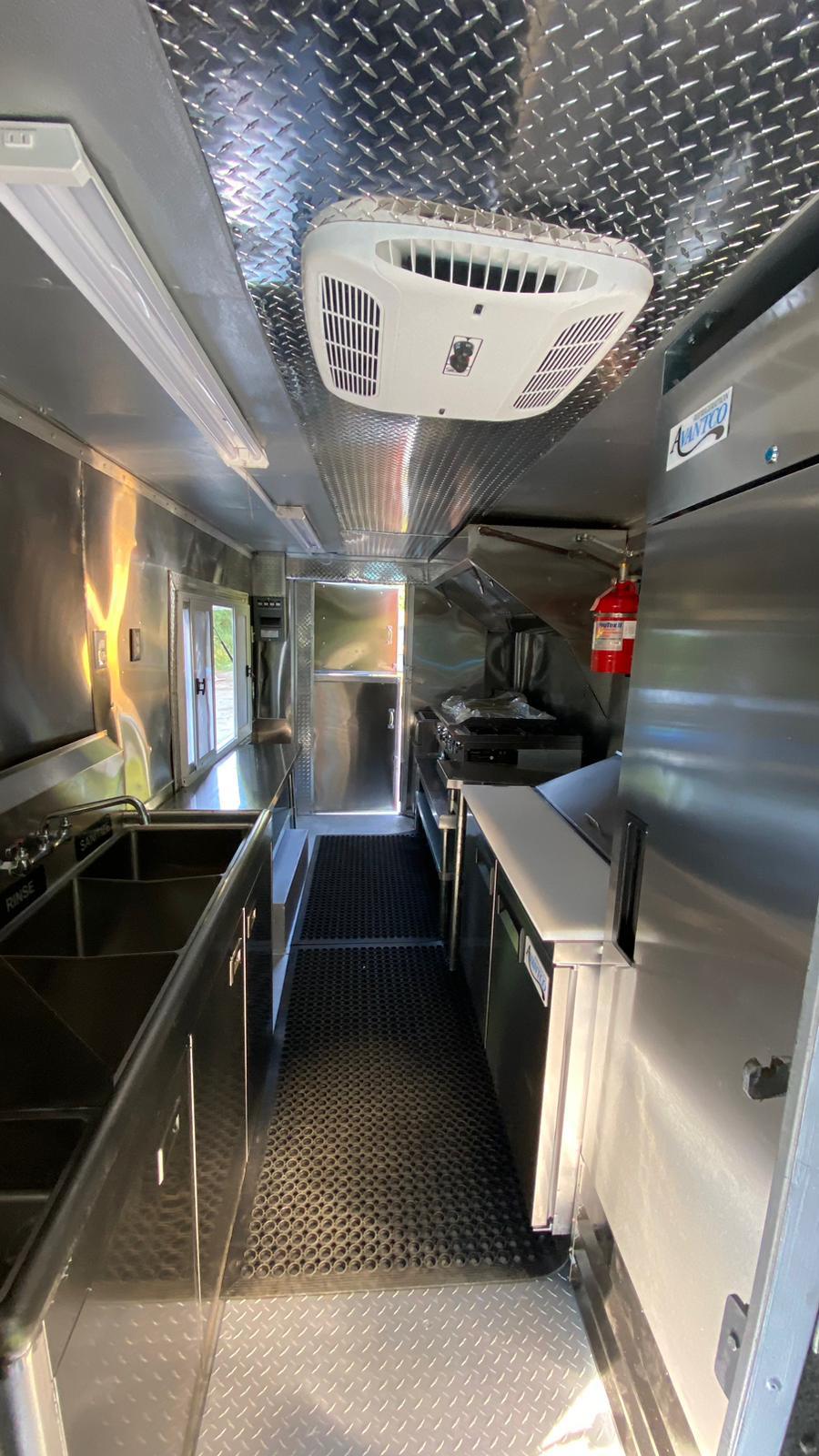
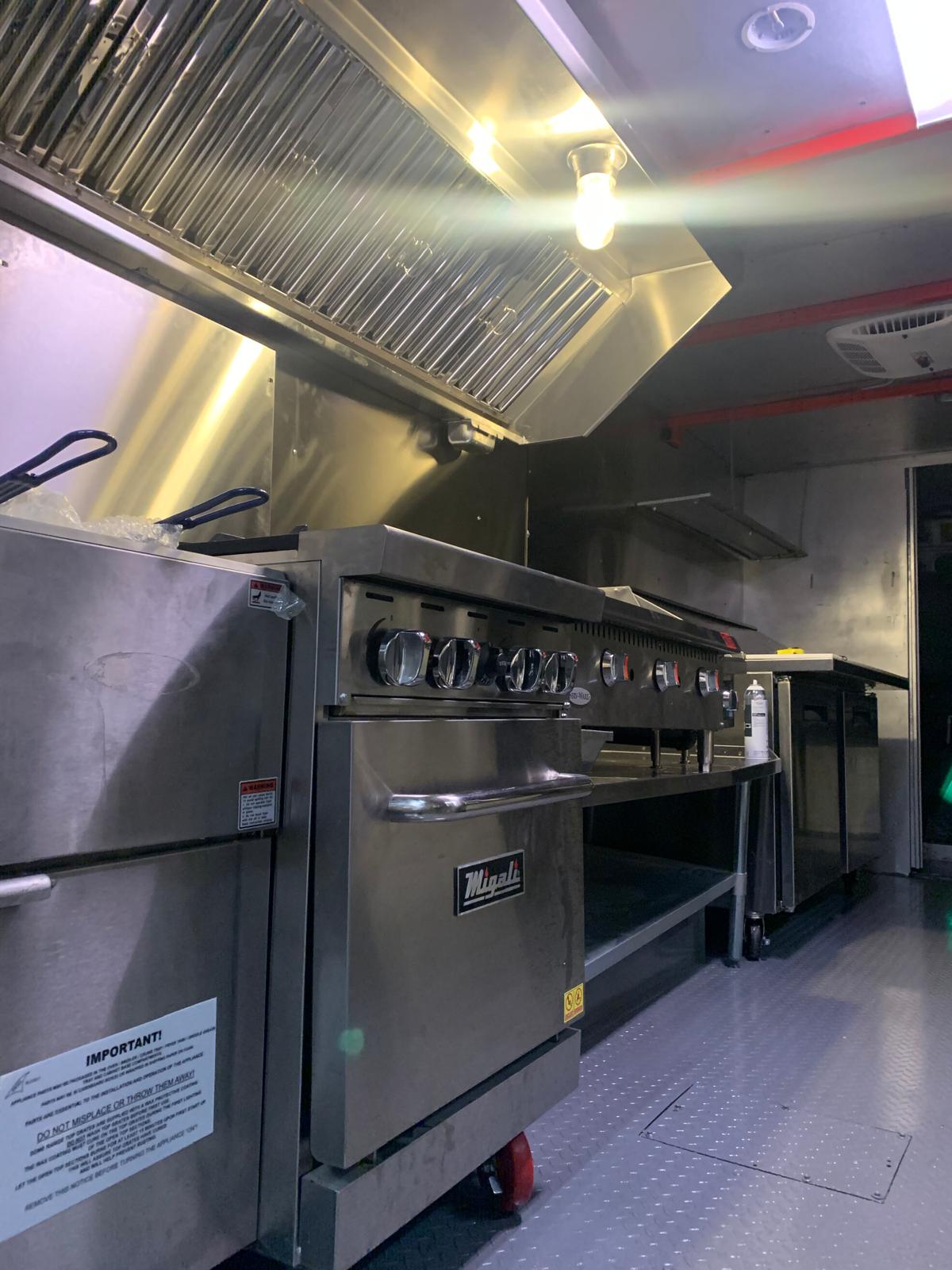
- Commercial Kitchen Equipment: $20,000 - $40,000. This is your flattop, fryer, hood system, refrigeration, sinks, and prep tables. Going cheap here is a health department violation waiting to happen. This is not the place to buy used restaurant equipment unless you're a certified technician. For a detailed breakdown, see our guide on commercial kitchen equipment installation for food trucks.
- HVAC & Hood Ventilation: $5,000 - $12,000. The most overlooked, critical system. You will cook in a metal box in Texas. A weak hood or AC failure means your staff passes out and you shut down.
- Electrical & Plumbing: $8,000 - $15,000. You need a licensed professional. This isn't DIY. A 30-amp service won't cut it for a full kitchen. You need a generator or a shore power system, plus a water tank and a grey water tank plumbed to code.
- Interior Build-Out (Cabinetry, Walls, Flooring): $7,000 - $15,000. Food-grade, fire-retardant, and easy to clean. This is what the health inspector will scrutinize.
- Exterior & Branding: $3,000 - $8,000. A wrap isn't just a sticker; it's your storefront. In places like Texas, you need a wrap built to last. We wrote about that exact challenge in how long a food truck wrap lasts in Texas heat.
Add it up. The low end of that range is $43,000. The high end is $90,000. And that's on top of the truck.
New Build vs. Used Conversion: The Math You Haven't Done
So, is it cheaper? Let's be brutally honest. A new, custom-built food truck from a reputable manufacturer might start at $120,000 for a similar size. Your used conversion, with a $20k truck and a $60k mid-range build-out, hits $80,000. You "saved" $40,000.
But what did you buy? You bought 18 months of your life managing contractors, chasing parts, and arguing with inspectors. You bought uncertainty. You bought a vehicle with 100,000 miles already on the odometer. The new build comes with warranties, a single point of contact, and is built to specific health codes from the ground up. The used conversion is a project. Your time and stress have a cost. For some, that $40k savings is worth the headache. For others, it's the reason they never open.
Your choice isn't just financial; it's about your tolerance for risk and project management. If you're not handy, don't have a trusted network of fabricators, and just want to cook, the used box truck to food truck conversion cost might be your financial ruin.
The Hidden Cost: Regulations and Location
Your beautiful, converted truck is worthless if you can't get it permitted. This cost is invisible in every online "budget calculator."
Health department rules vary wildly. The sink configuration that passes in Virginia (where, by the way, the rules are very specific as we outline in our Virginia mobile kitchen health department guide) might fail in Austin. You may need to re-plumb. Your generator may need a specific decibel rating for a city like Seattle. You'll need commissary kitchen agreements, fire suppression system certifications, and business licenses. Budget at least $2,000 - $5,000 and 3-6 months for permits and approvals. And choose your city wisely—some are far more supportive than others, a topic we explore in the best cities for food trucks in Washington State.
So, What Should You Do Next?
Stop looking for a single number. Start building a real plan. Before you bid on that truck, know exactly what kitchen equipment you need for your menu. Get quotes from fabricators for the build-out before you own the vehicle. Talk to your local health department. Understand the rules.
The used conversion can be a brilliant, cost-effective path. But it's only cheaper if you manage it with the precision of a general contractor and the patience of a saint. If that's not you, there's no shame in a new build. Your goal isn't to build a truck; it's to build a business. Don't let the allure of upfront savings bankrupt the whole endeavor.
If you want to move past guesswork and see real numbers tailored to your concept and city, it's worth having one of our mobile kitchen consultations. Bring your menu and your questions. We'll help you build a budget that reflects reality, not internet fantasy.