Best Food Truck Wrap Design Ideas for Branding That Actually Work
Most Food Truck Wrap Advice Is Useless. Here’s Why.
Let’s be honest. When you search for the best food truck wrap design ideas for branding, you’re flooded with pretty pictures and vague tips about “using your logo” and “making it pop.” It’s all created by graphic designers who’ve never had to park a 20-foot truck in the rain and convince a stranger to spend $14 on a sandwich. The real problem isn't finding a design you like; it's finding a design that works as hard as you do from 50 feet away in a crowded lot. Your wrap isn't art for an art gallery. It's a 360-degree billboard that must stop traffic, explain your concept, and build trust—all before a customer even smells the food.
And if you get it wrong, the cost is brutal. A full-color, vehicle-grade wrap for a standard 16-ft box truck in Houston runs between $3,500 and $6,500. That’s a massive chunk of your startup capital. You can’t afford for it to be just “pretty.” It has to be a profit center.
The One Rule Every Successful Wrap Obeys (That You’re Probably Breaking)
Clarity beats creativity every single time. From 50 feet away, in three seconds or less, a person must know: 1) What you’re selling, and 2) Why they should care. This isn’t the place for your ironic, minimalist logo or a cryptic truck name. “The Rolling Stone” tells me nothing. “Maria’s Famous Birria Tacos” tells me everything.
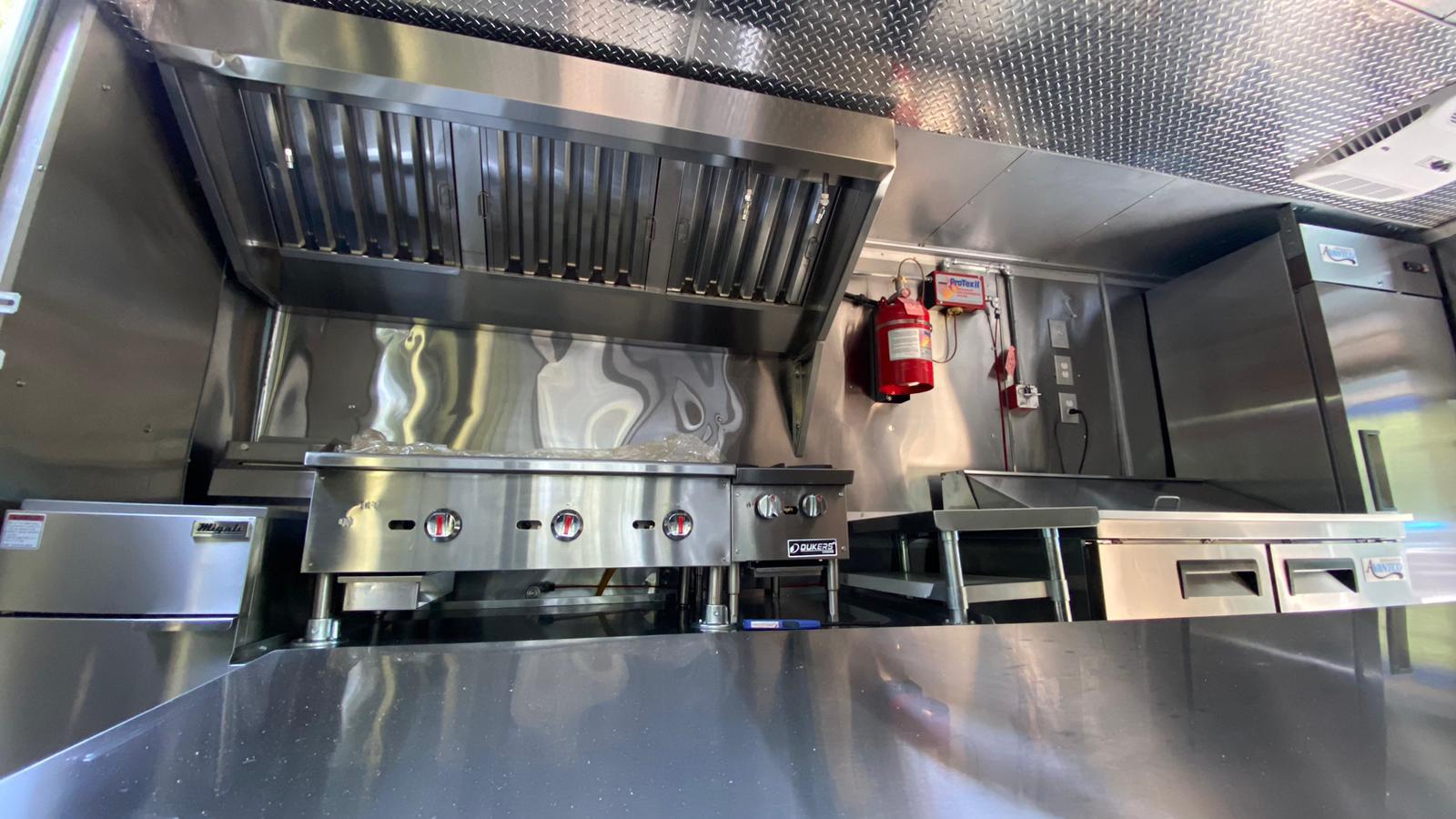
Look at the most successful trucks in any city. Their dominant graphic isn’t an abstract pattern. It’s a giant, delicious-looking photo of their signature dish. Their font isn’t a delicate script; it’s bold, blocky, and readable from across the street. Their color scheme isn’t muted; it creates high contrast against the urban gray of a parking lot. Think of your wrap as a functional piece of your high-volume kitchen design—every element must serve a purpose.
Steal These 3 Wrap Ideas That Attract Crowds, Not Just Compliments
Forget “inspiration.” Let’s talk about applied strategy. Here are three proven directions, and more importantly, why they work on the street.
The “Window to the Kitchen” Effect
This is the most powerful psychological trick in food truck branding. Use large, hyper-realistic images of your food, positioned so they appear to be coming right out of the service window or off the grill on the side of the truck. It triggers immediate hunger and primes the customer’s brain for the taste before they even order. A burger truck in Austin saw a 20% increase in upsells after redesigning their wrap to feature a giant, dripping cheeseburger centered on the order window panel.
The “Neighborhood Hero” Vibe
This isn’t about slapping a city skyline on your truck. It’s about embedding local cultural codes. Use colors, mascots, or visual motifs that resonate deeply with your specific community. A pizza truck in Philadelphia might use the city’s iconic light blue and orange, with a subtle pattern of row houses. It signals “one of us” instantly, building trust and local pride. This is especially powerful when navigating different permits and local regulations, like the specific Washington State food truck license process—showing you’re a local business, not an outsider.
The “Ultra-Legible Menu” Layout
Turn your truck’s main side panel into your menu board. List your top 3-5 items in a massive, easy-to-read font with clear prices. This solves the biggest bottleneck at a busy truck: the indecisive customer holding up the line while they squint at a small chalkboard. By pre-selling your most profitable items graphically, you speed up service and guide choices. It’s a direct link between your branding and your kitchen’s operational flow.
Your Biggest Wrap Mistake Isn’t the Design. It’s the Budget.
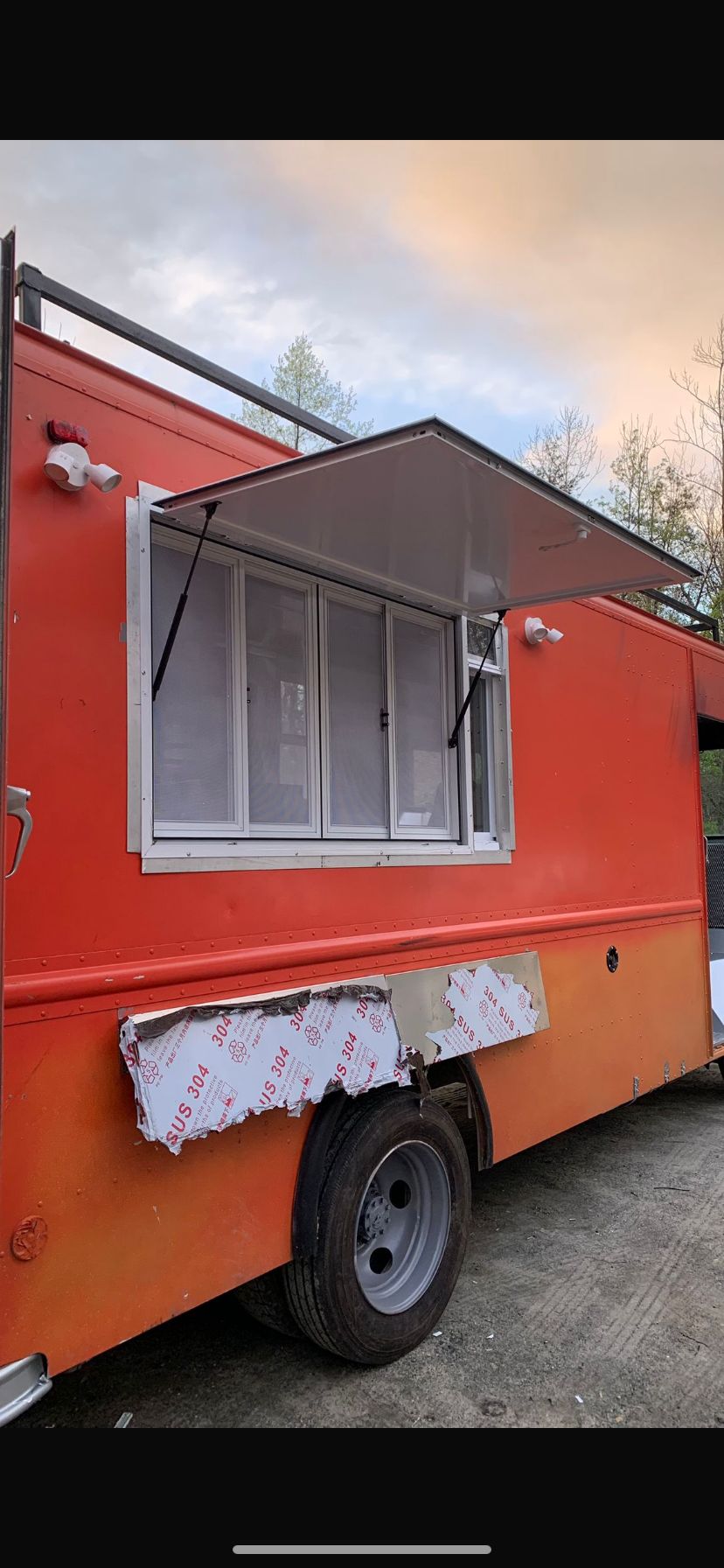
Here’s the brutal truth few talk about: most first-time owners budget for the wrap as a standalone item. They don’t factor in the vehicle it’s going on. A stunning wrap on a rusty, dented truck looks cheap. A mediocre wrap on a pristine, professionally converted vehicle looks premium. Your wrap is the final layer. The foundation is the truck itself.
This is where the real cost lies. If you’re converting a used vehicle, every dent you fix and every rust spot you repair before wrapping saves you from a bubble or peel later. A $5,000 wrap on a truck with a $15,000 conversion budget makes sense. That same $5,000 wrap on a shoddy $8,000 conversion is a waste of money. Get the truck right first. Understand the full average cost to build a food truck in Houston, then allocate for the wrap. Don’t do it backwards.
Beyond the Wrap: The Branding Most Trucks Totally Ignore
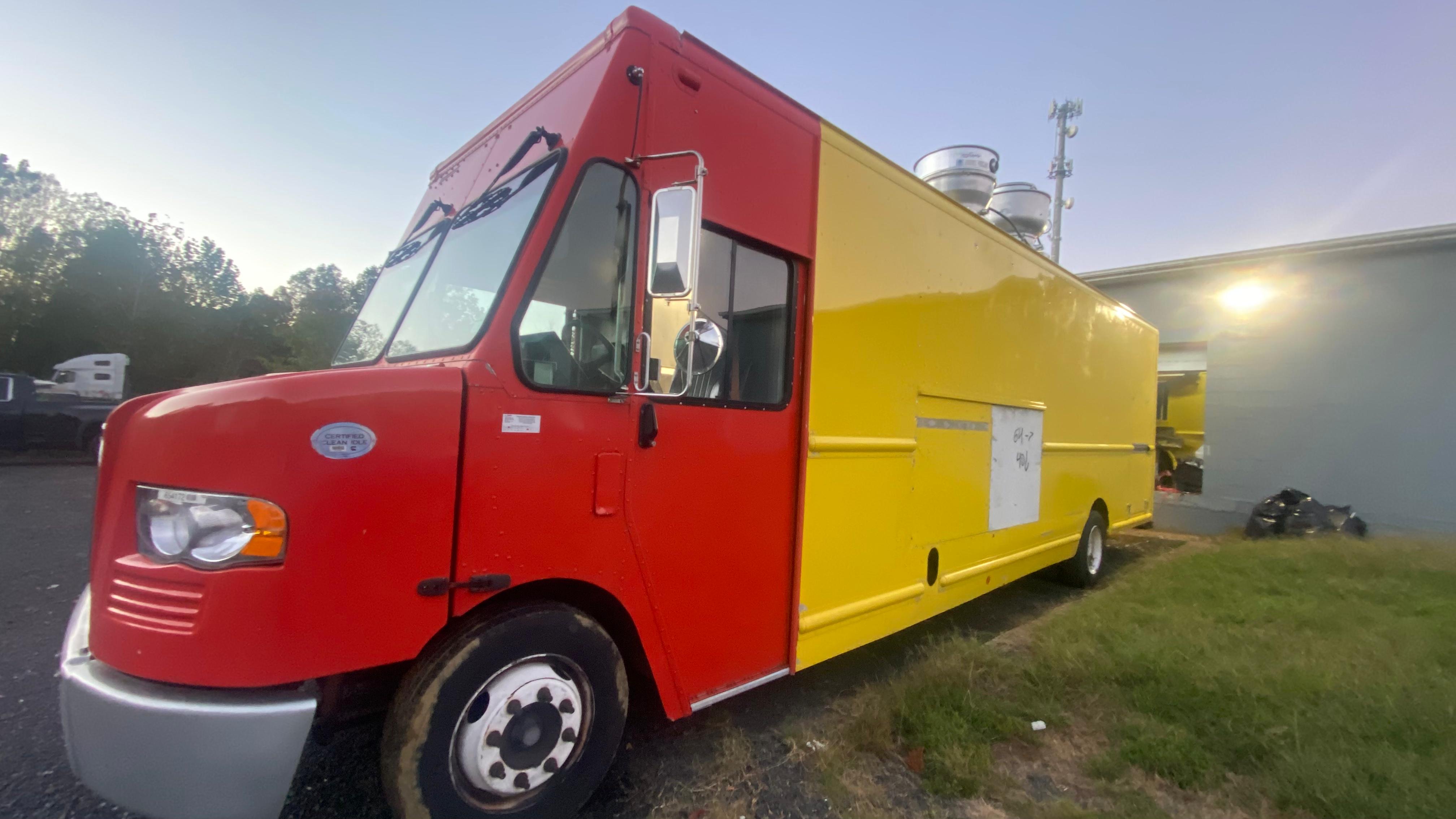
The wrap gets you the first customer. Everything else gets you the second. Your branding continues on the napkin they hold, the container they eat from, and the social media post they see later. Your wrap’s color scheme and logo must translate seamlessly to these touchpoints. If your truck is fiery red and yellow, your sauce cups and Instagram feed should echo that. This cohesive experience is what turns a one-time buyer into a follower who tracks your location. It’s also a silent validator when health inspectors or city officials check your food truck permit in Virginia—a professional, consistent brand signals a professional operation.
So, before you get lost in color palettes, ask the only question that matters: “From across a parking lot, at a glance, does this design make someone hungry for what I specifically sell?” If the answer isn’t an immediate yes, go back. Your truck’s skin is your hardest-working employee. Pay it accordingly, and design it for the battlefield, not the portfolio. If you need to ground your design ideas in the real cost of the vehicle underneath, start with a professional mobile kitchen consultation.