How Long Does It Take to Build a Custom Food Truck? The Short Answer Hurts
You've got the concept. The menu. The name. And you're asking yourself:
how long does it take to build a custom food truck from scratch?
The honest answer: 8 to 16 weeks for a basic build. 20 to 30 weeks if you want something that doesn't fall apart after a year on Houston asphalt. And if you're going full custom with fabrication, gas lines, and a proper hood system? Six months is realistic.
Nobody tells you this because most builders want your deposit before you ask too many questions. I'm telling you because I've seen too many operators burn cash on storage fees while their "6-week build" drags into month five.
What Actually Determines the Timeline (Not What You Think)
You'd assume the bottleneck is the kitchen equipment. It's not.
The real time sinks are:
-
Chassis availability. Finding a used van or truck that isn't rusted out or mechanically questionable can take 2-4 weeks alone in cities like Houston, Austin, or Dallas.
-
Permit-ready design. Your local health department doesn't care about your aesthetic. If your layout doesn't meet fire code for ventilation or grease traps, you're re-drawing. That's another 1-2 weeks.
-
Fabrication queue. Good welders and fabricators are booked out. The ones who promise "we can start next week" are usually the ones who deliver a leaky roof.
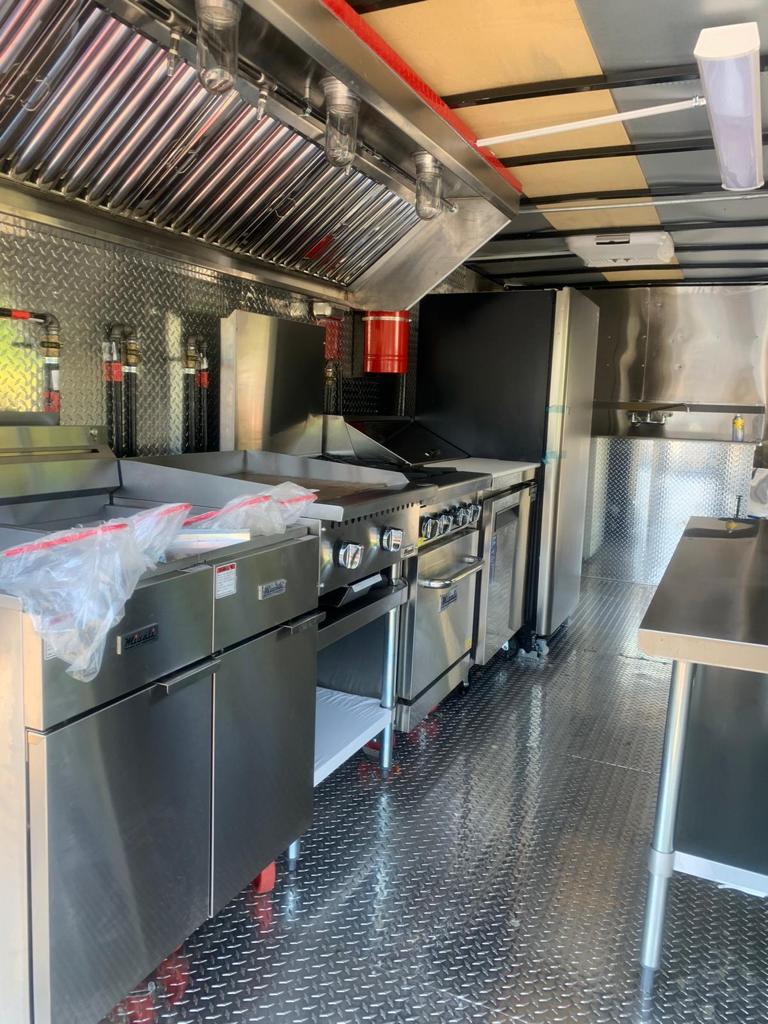
I've seen a basic 14-foot concession trailer conversion take 6 weeks when everything lined up. I've also seen a fully custom 20-foot truck with a flat-top grill, fryer station, and full hood system take 8 months because the builder kept jumping between projects.
The Phases Nobody Walks You Through
Let's break down where the time actually goes. Because "how long does it take to build a custom food truck" isn't one number — it's four.
Phase 1: Design and Permitting (2-6 weeks)
You sketch. Your builder drafts. Your health department reviews. If you're in a city like Seattle or Portland, the fire marshal might want a say too. This phase eats time because it's iterative. You change the layout. They re-draw. The inspector pushes back.
If you want to speed this up, look at the
custom food truck design process step by step — it shows exactly where most people get stuck and how to avoid it.
Phase 2: Chassis Prep and Fabrication (4-10 weeks)
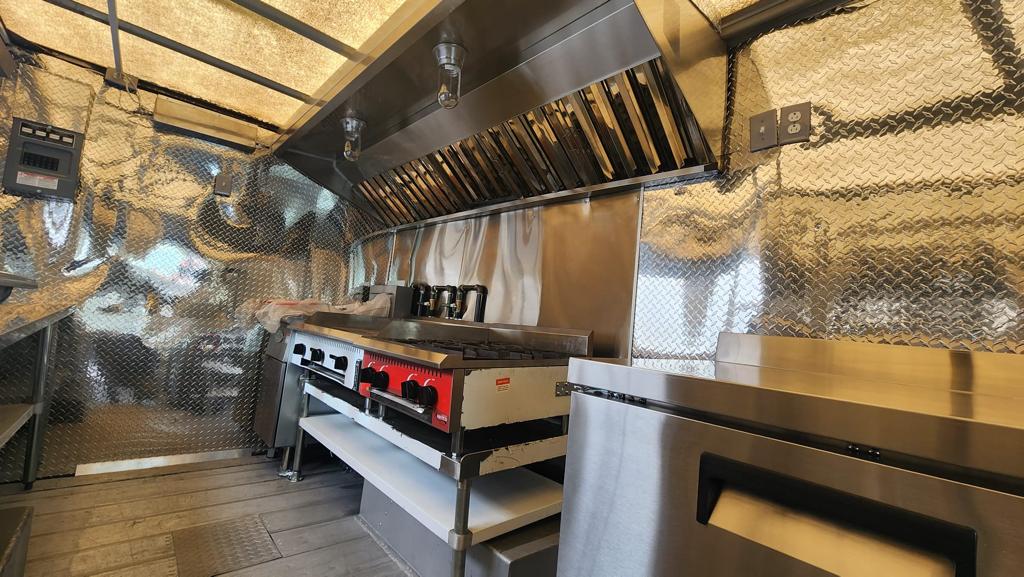
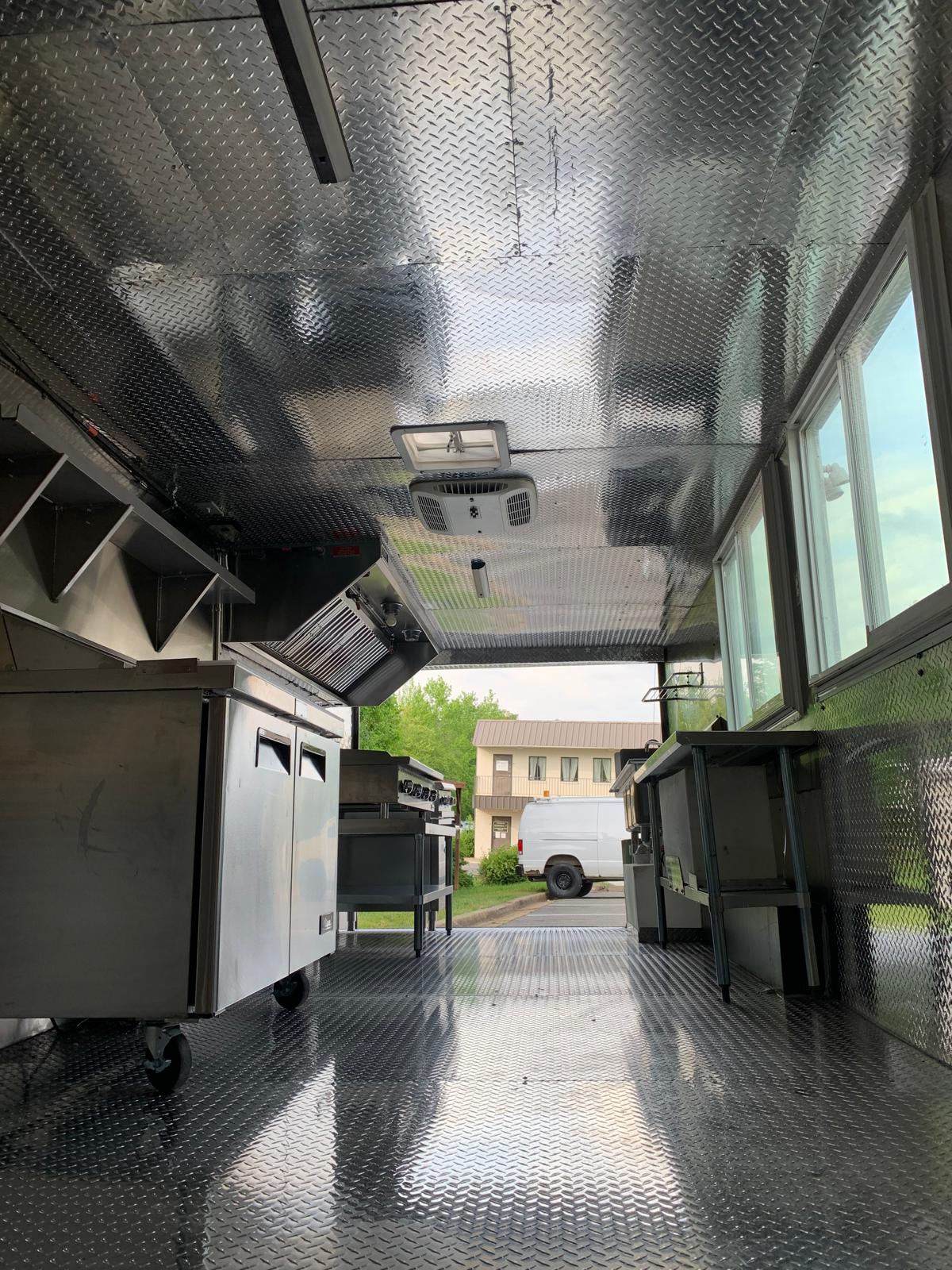
This is the meat of it. The chassis gets stripped. The walls go up. The electrical and plumbing get roughed in. If you're converting a cargo van versus building on a box truck chassis, the timeline shifts by weeks. Vans are faster because there's less structural work. Box trucks need subflooring, wall framing, and roof reinforcement.
Phase 3: Equipment Installation and Hood System (2-4 weeks)
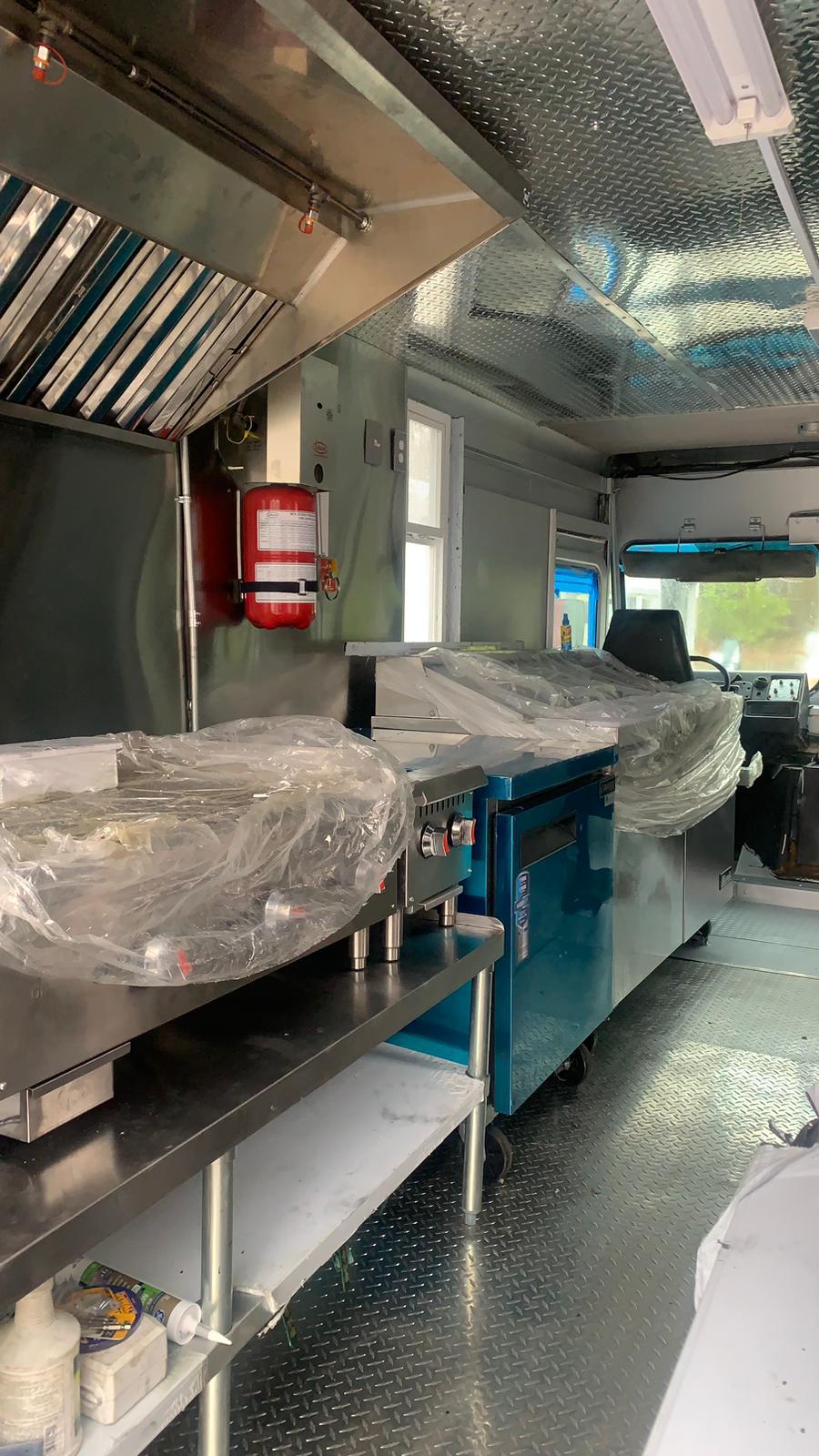
Installing a flat-top grill sounds simple until you realize it needs gas lines, fire suppression, and a ventilation hood that meets NFPA 96 standards. That's not a weekend job. If you're curious about the specifics,
this guide on installing a flat top grill walks through the actual steps and time required.
Phase 4: Final Inspection and Punch List (1-3 weeks)
This is where most operators lose their minds. The build is "done." But the health inspector finds something. The fire marshal wants a different extinguisher placement. The electrical inspector flags a missing ground. Each fix takes days, not hours.
Why Your Houston Conversion Budget Is Probably Wrong
Let's talk money, because timeline and budget are tied together.
A basic 10-foot concession trailer conversion runs $25,000 to $40,000. A fully custom 20-foot food truck with a proper hood, generator, and commercial refrigeration? $60,000 to $120,000. And that's before you factor in the chassis cost, which can add $10,000 to $30,000 depending on what you buy.
If you're looking at
food truck fabrication cost per square foot, expect $400 to $800 per square foot for a quality build in 2026. Anything below that, and you're either getting a deal or getting corners cut. Usually the latter.
The operators who finish on time and on budget are the ones who locked in their design before they bought the chassis. The ones who change their mind mid-build? They're the ones paying storage fees on a half-finished truck for three extra months.
The Difference Between a Truck and a Trailer (And Why It Matters for Your Timeline)
This is one of those decisions that looks small but changes everything.
A concession trailer — the kind you tow behind a pickup — can be built faster because there's no engine, no transmission, no mechanical systems to deal with. You're essentially building a mobile kitchen on wheels. Timeline: 6 to 12 weeks for a well-equipped unit.
A food truck — a self-propelled vehicle with a full drivetrain — takes longer because you're dealing with the vehicle itself. Engine repairs. Transmission issues. Rust repair. Brake systems. All of that eats time before the kitchen build even starts. Timeline: 12 to 24 weeks for a proper build.
If you're torn between the two,
this breakdown of food truck vs concession trailer pros and cons will help you decide based on your actual needs, not just what looks cooler on Instagram.
What Happens When You Rush a Custom Build
I've seen it happen more times than I can count. An operator needs to be operational in 8 weeks for a festival season. They find a builder who promises the impossible. The truck shows up with:
- Gas lines that leak
- A hood system that doesn't vent properly
- Electrical that trips the breaker every time the flat-top and the fryer run simultaneously
- A floor that isn't sealed, so grease seeps into the subfloor
The health department fails them. They spend another 4 weeks fixing what should have been done right the first time. They miss the festival. They're out $8,000 in lost revenue plus repair costs.
The question isn't "how long does it take to build a custom food truck" — it's "how long does it take to build one that passes inspection and actually works?"
That number is almost always longer than you want it to be.
What to Do Instead of Guessing
If you're serious about this, stop reading timeline articles from people who've never built one. Talk to someone who has. Ask them about their worst delay. Ask them what they'd do differently.
And when you're ready to move forward,
get a custom quote from a builder who will tell you the real timeline for your specific concept — not a generic number pulled from a blog post.
The operators who succeed are the ones who plan for the worst and hope for the best. The ones who fail are the ones who believe the 6-week promise.
Choose wisely.