How much does it really cost to get a mobile kitchen through Virginia health inspection?
Nobody gives you the real number upfront. You hear “just buy a used truck and you’re good” or “trailers are easier because they’re cheaper.” Both statements are half-truths that can cost you months of delay and thousands in rework.
The reality: Virginia’s Department of Agriculture and Consumer Services (VDACS) inspects every mobile food unit under the same
food truck vs trailer for health inspection Virginia regulations. There is no separate “trailer-friendly” code. The 2017 FDA Food Code is the baseline, and VDACS adds its own layer of requirements on top.
I’ve seen operators spend $12,000 on a used truck only to sink another $8,000 into stainless steel countertops, three-compartment sinks, and fire suppression retrofits—all because the original build wasn’t VDACS-compliant. That’s $20,000 before you sell a single taco.
What VDACS inspectors actually look for—and it’s not what you think
Most people assume the big ticket items matter most: the generator, the water tanks, the fancy wrap. They’re wrong.
What VDACS inspectors care about is the
flow of your operation. Can you wash your hands without crossing the cooking area? Is the three-compartment sink large enough to submerge your largest pot? Does the grease trap have proper access for cleaning?
I watched a trailer fail inspection in Richmond last year because the hand sink was installed 18 inches from the cook line—too far for the inspector’s comfort. The operator had to rip out the counter and relocate it. That’s a $2,500 mistake that a good build-out could have prevented.
This is where the
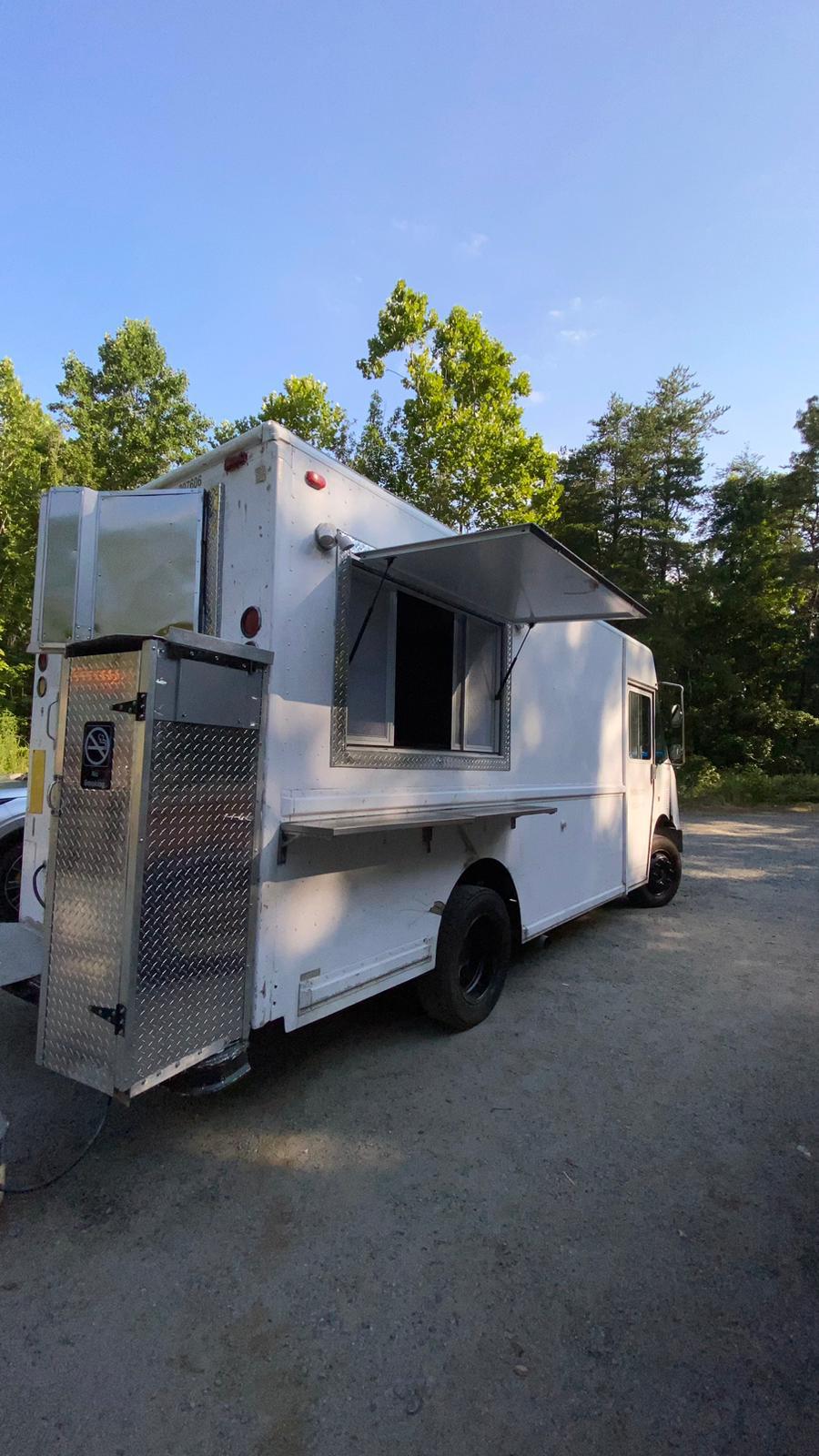
food truck vs trailer for health inspection Virginia debate gets real. A trailer’s floor plan is often narrower than a truck’s, which means you have less room to separate clean and dirty zones. Trucks typically offer more linear feet for equipment placement, but they also cost more to insulate, ventilate, and wire.
The hidden advantage of a custom-built unit over a conversion
Everyone wants to save money by converting a cargo trailer or a used van. I get it. But here’s what few people mention: a conversion almost always requires more post-purchase work than a custom build.
A cargo trailer has zero insulation, zero plumbing, zero electrical. You’re starting from scratch. A used food truck might have old equipment that doesn’t meet current Virginia fire suppression system requirements—and those requirements change. You might end up replacing the entire hood system.
If you’re serious about passing inspection on the first try, a custom build from a shop that knows VDACS rules is worth the upfront premium. You’ll pay more—expect $35,000 to $65,000 for a fully compliant unit—but you won’t spend six months chasing code violations.
Need real numbers for your specific concept? You can
get a custom quote from builders who work with Virginia operators daily.
Why your truck or trailer’s color matters more than you think
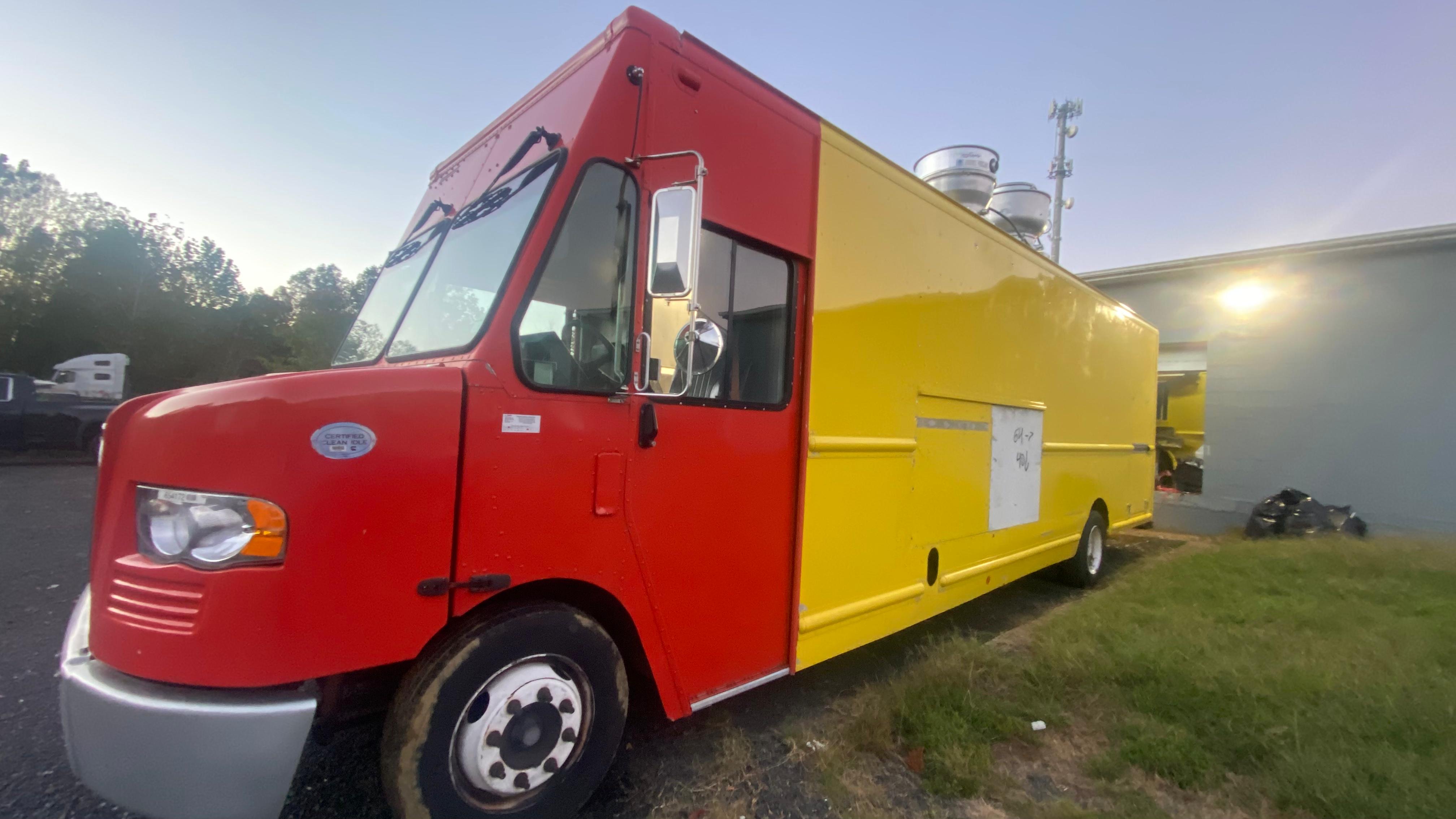
This sounds ridiculous until you’ve stood inside a black food truck in July in Norfolk. The interior temperature can hit 130°F in minutes. That affects everything: your refrigeration efficiency, your worker safety, and yes, your health inspection.
If your refrigeration unit is struggling to hold 41°F because the ambient heat is overwhelming it, you’re going to fail inspection. Period.
Check out our guide on
best colors for food truck wrap in Virginia heat to avoid that trap. Also, read
food truck wrap design tips for hot climates that actually work—because a white or silver wrap isn’t just aesthetic, it’s functional.
The one piece of equipment that makes or breaks your inspection
The fryer. If you plan to serve anything fried—and let’s be honest, most Virginia food trucks do—your fryer setup is under heavy scrutiny.
VDACS requires a Type I hood system with automatic fire suppression for any cooking equipment that produces grease-laden vapors. That means a commercial fryer, a griddle, or a charbroiler. A simple residential fryer won’t cut it.
I’ve seen operators try to use a countertop fryer with no hood. Instant fail. The fix costs $4,000 to $7,000 for a proper hood and suppression system.
For specific recommendations, read
best fryer for a food truck in Texas heat: what actually works—the principles apply to Virginia summers too.
Fire suppression: the most overlooked requirement in Virginia
Virginia requires a K-class fire suppression system for any mobile kitchen with cooking equipment that generates grease. This isn’t optional. It’s not a “nice to have.” It’s the first thing an inspector checks after the hand sink.
The system must be installed by a certified technician, and you need the inspection certificate on hand during your VDACS visit. No certificate, no pass.
We’ve covered this in detail in
Virginia food truck fire suppression system requirements: what you need to know. Read it before you buy anything.
Which passes easier: truck or trailer?
The honest answer: neither passes “easier.” Both can pass on the first try if they’re built to code. Both can fail if they’re slapped together.
But if I had to choose, I’d say a custom-built truck from a reputable fabricator has a slight edge because the floor plan is designed around VDACS requirements from day one. Trailers are more prone to corner-cutting because they’re often built by general fabricators who don’t know food code.
If you’re working with a limited budget and willing to do the build-out yourself, a trailer can work—but plan on spending at least $15,000 on the conversion alone, not counting the trailer itself.
For a turnkey solution that passes inspection,
mobile kitchen consultations can save you months of trial and error.
What nobody tells you about the water system
Virginia requires a potable water tank with a minimum capacity of 20 gallons for most mobile units. The wastewater tank must be at least 15% larger than the freshwater tank. That’s not a suggestion—it’s code.
I’ve seen trailers fail because the wastewater tank was too small. The operator had to drain it every 90 minutes during a lunch service. That’s not just an inspection problem—it’s an operational nightmare.
Make sure your build includes a freshwater tank of at least 30 gallons and a wastewater tank of at least 40 gallons. That gives you room to operate a full shift without stopping.
Your next step: stop guessing, start building
The difference between passing Virginia health inspection in two weeks versus six months comes down to one thing: knowing the rules before you build. Not after.
If you’re serious about this business, don’t buy a random used unit and hope it passes. Get a build that’s designed for VDACS compliance from the start. Talk to builders who have done this before—not just for trucks, but for Virginia specifically. And if you’re considering a custom build, look at
custom food truck builders Houston Texas: how to choose the right one for insight on vetting fabricators—the same principles apply in Virginia.
The question isn’t really “food truck vs trailer for health inspection Virginia.” It’s “how much money and time are you willing to lose by guessing?”