How to Get a Food Truck Permit in Virginia: A Step-by-Step Guide for New Owners
How to Get a Food Truck Permit in Virginia: The Real First Step
You’ve found the truck, you’ve perfected your menu, and you’re ready to hit the streets of Richmond or Arlington. So, you Google "how to get a food truck permit in Virginia," expecting a simple checklist. Here’s the first reality check: there is no single "Virginia food truck permit." The state sets the baseline, but your real battle is with the city or county where your truck will operate. The process is a layered cake of bureaucracy, and if you start with the wrong layer, you’ll waste months and thousands of dollars. Most hopeful owners think the permit is the finish line. It’s actually the starting gun for a much longer race.
The State Foundation: Virginia Department of Health
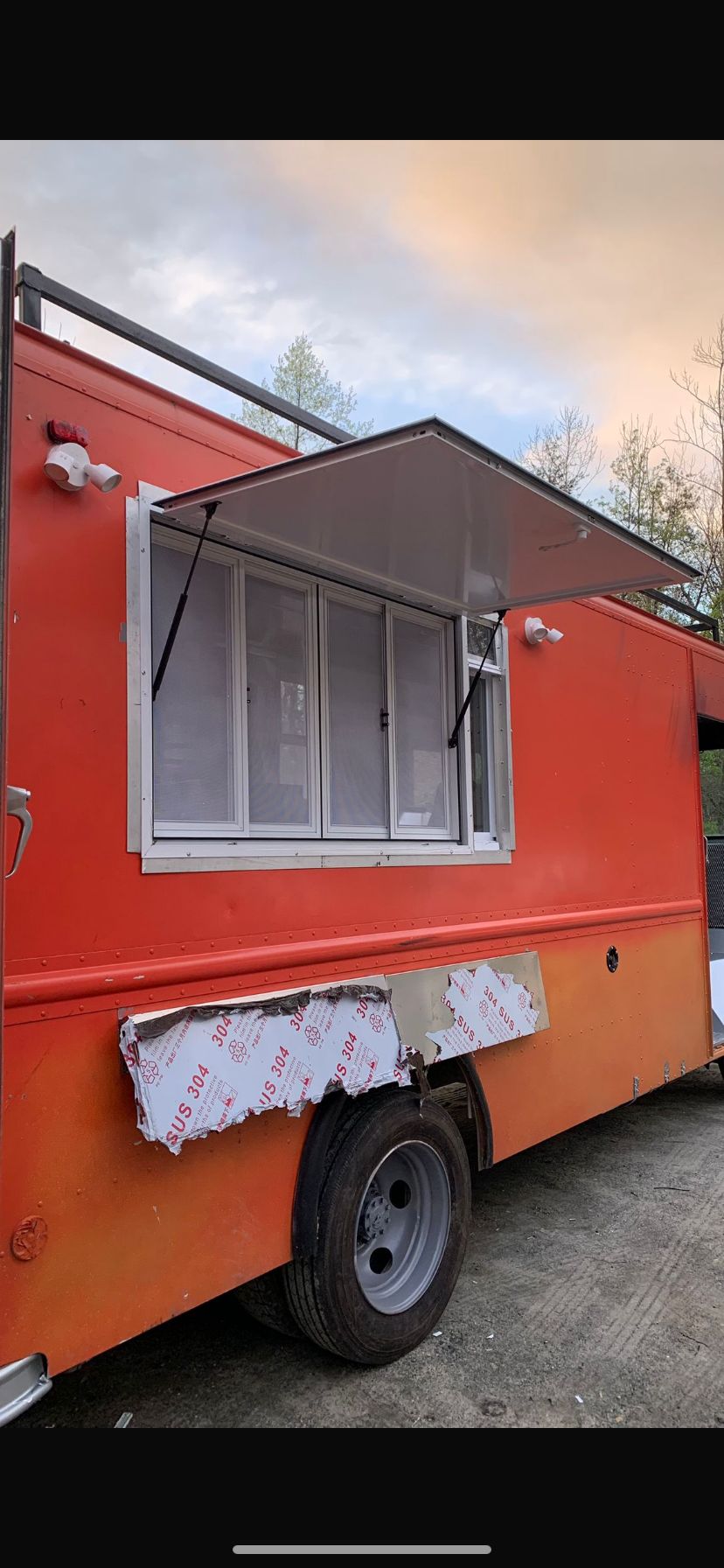
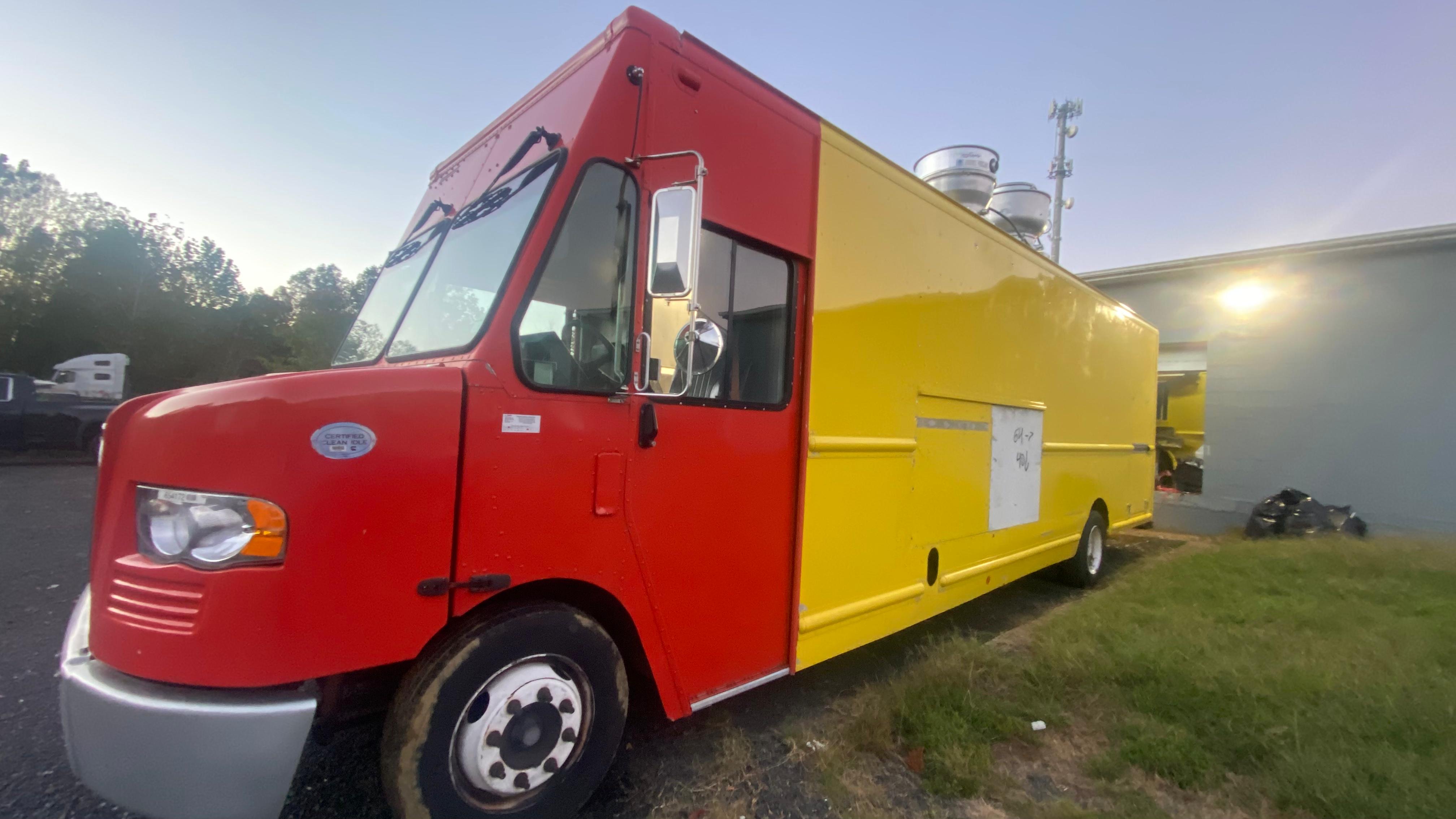
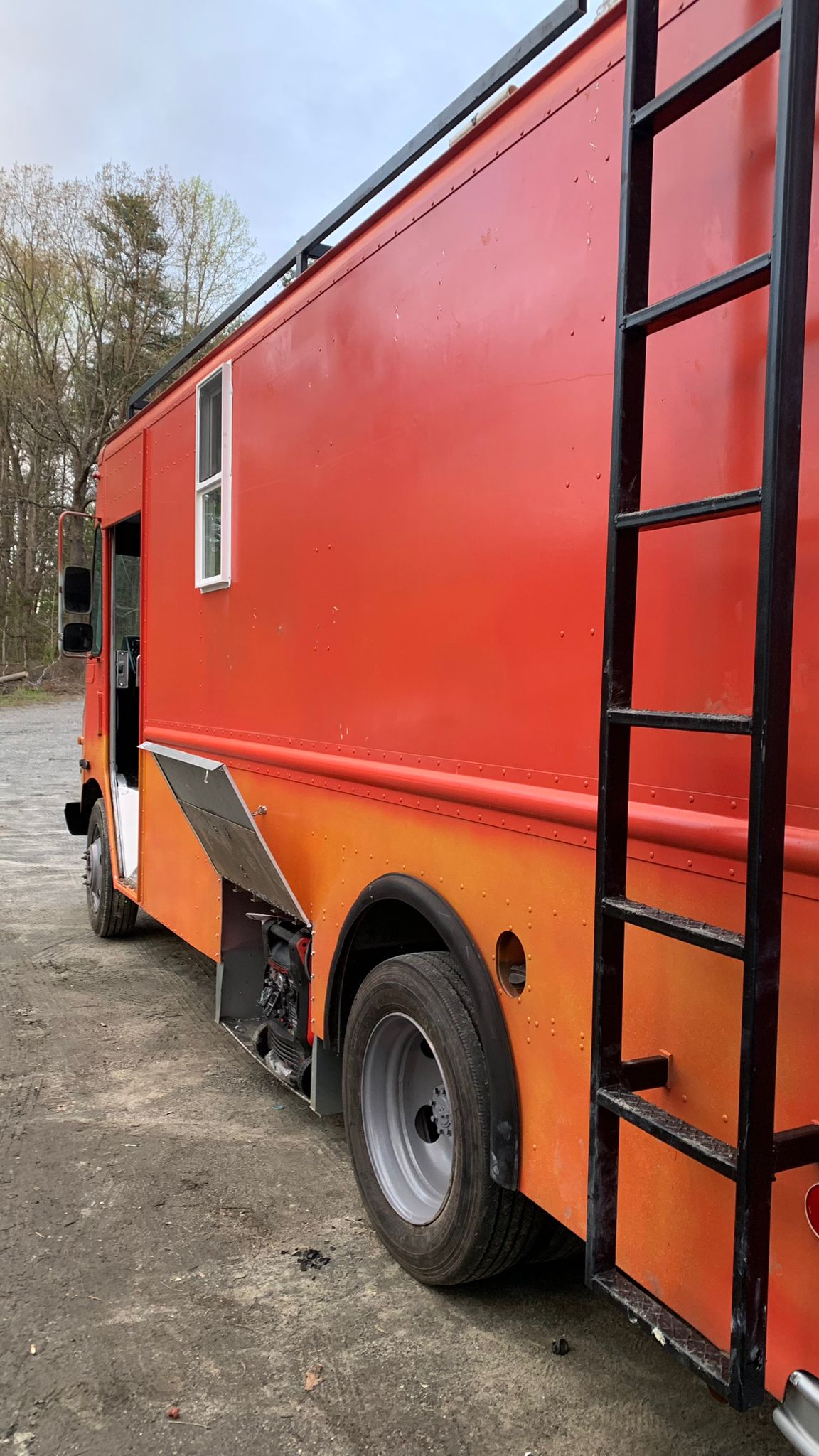
Everything begins with the Virginia Department of Health (VDH). You cannot apply for a single local permit without their approval. This isn't just paperwork; it's a physical inspection of a fully functional mobile food unit. The inspector needs to see a working hand sink, a three-compartment sink, proper refrigeration, and certified fire suppression over your cooking equipment. The common mistake? Thinking you can get plans approved for a truck that isn't built yet. The VDH needs to see the real thing. A plan review might cost around $150, but the real expense is building a truck that passes muster on the first try. This is where a professional commercial kitchen equipment installation becomes non-negotiable, not optional.
Why Your Local Health Department Is Your New Best Friend
Once the VDH grants you a "Permit to Operate a Mobile Food Unit," you take that golden ticket to your local health department. In Fairfax County, that’s the Fairfax County Health Department. In Virginia Beach, it’s the Virginia Beach Department of Public Health. They will issue your local food service permit, which is what you’ll need to show at events and inspections. Fees vary wildly. Expect to pay between $100 and $400 annually, depending on the jurisdiction. This is the permit everyone pictures. But it’s useless without the next piece.
The Hidden Hurdle: Local Business Licensing and Zoning
Here’s where most guides stop, and where most new owners get stuck. Your health permit lets you serve safe food. It does NOT let you park and operate on public or private property. For that, you need a separate business license from the city or county clerk’s office. In Alexandria, for example, you’ll apply for a Business, Professional, and Occupational License (BPOL). This can cost a few hundred dollars.
But the real question they’ll ask is: "What is your business address?" If you operate from your home, you must get a Home Occupation Permit. Many residential zones prohibit commercial food vehicle parking. You might need to lease a commercial parking space and get written permission from that property owner to use it as your "base of operations." Zoning approval is silent, slow, and the number one reason for delays.
Parking, Vending, and Event Permits: The Final Frontier
You have your state health approval, your local health permit, and your business license. You’re legal! Now, where can you actually sell? On private property (like a brewery or shopping center), you need written permission from the owner. Simple.
On public property, it’s a minefield. Most cities require a separate "Mobile Food Vending Permit" or "Street Vending License." In Richmond, the Department of Public Works manages this. They have designated "Mobile Food Vending Zones." Getting a spot is competitive and often involves a lottery or fee. Some cities, like Charlottesville, also require a police background check as part of the application. For festivals and events, you’ll need a temporary permit for each one, often costing $50-$150 per day. This is the daily reality of food truck life in Virginia.
The One Cost Nobody Talks About: Time
You can find the price of a health permit online. You can budget for a business license. What you can’t budget for is the 60 to 90 days—minimum—this entire process can take from start to finish. That’s 90 days of truck payments, commissary rental, and insurance premiums with zero revenue. This timeline is why understanding the real conversion cost and timeline is critical. If your build drags on, your permit application window drags with it. The system is not designed for speed.
So, is it worth it? For the right operator, absolutely. Virginia’s markets in Northern Virginia, Richmond, and coastal areas are thriving. But going in blind is a recipe for failure. Your step-by-step guide isn’t a list of offices to visit. It’s a strategic path: 1) Secure your commissary and truck parking FIRST for zoning. 2) Build your truck to VDH code. 3) Get VDH approval. 4) Apply for local health and business permits SIMULTANEOUSLY. 5) Then, and only then, chase vending locations.
If the complexity of the build itself feels daunting, that’s because it is. Getting a clear picture of your total investment, from truck to permit, is the only way to start. The smartest move you can make is to get a custom quote that includes not just the kitchen, but a roadmap for the legal rollout. Because in Virginia, your best recipe needs the right permits to ever be served.