You spent $8,000 on a wrap. By August, it looked like a sunburned arm.
How much does a bad wrap color really cost you in Virginia heat? Let me give you the real number: one truck owner in Richmond told me his dark navy wrap hit 165°F on the exterior surface by 2pm in July. That's not just uncomfortable—it's a slow death for your graphics, your fridge compressor, and your sanity.
Everyone knows dark colors absorb heat. That's not the insight. The insight is that in Virginia, where humidity pushes the "feels like" temp past 100°F for 40+ days a year, your wrap choice determines whether your truck becomes a mobile oven or a comfortable workspace.
What "best colors for food truck wrap in Virginia heat" actually means
Here's what nobody tells you: the best color isn't just about reflectivity. It's about three things working together—and if you skip one, you're wasting money.
First,
surface temperature. A pure white wrap in Virginia sun stays around 110-120°F on the surface. A dark green or black wrap? 150-170°F. That 40-50 degree difference means your AC works harder, your refrigerated unit cycles more, and your staff wilts faster.
Second,
visibility. You're competing with 50 other trucks at a Fairfax County festival. Your pale yellow truck with teal accents gets spotted from 200 feet away. Your matte charcoal truck? It's a shadow.
Third,
longevity. Dark wraps in Virginia UV degrade faster. The adhesive breaks down. You'll be re-wrapping in 18 months instead of 4-5 years.
So the real answer to "best colors for food truck wrap in Virginia heat" isn't a single color. It's a strategy.
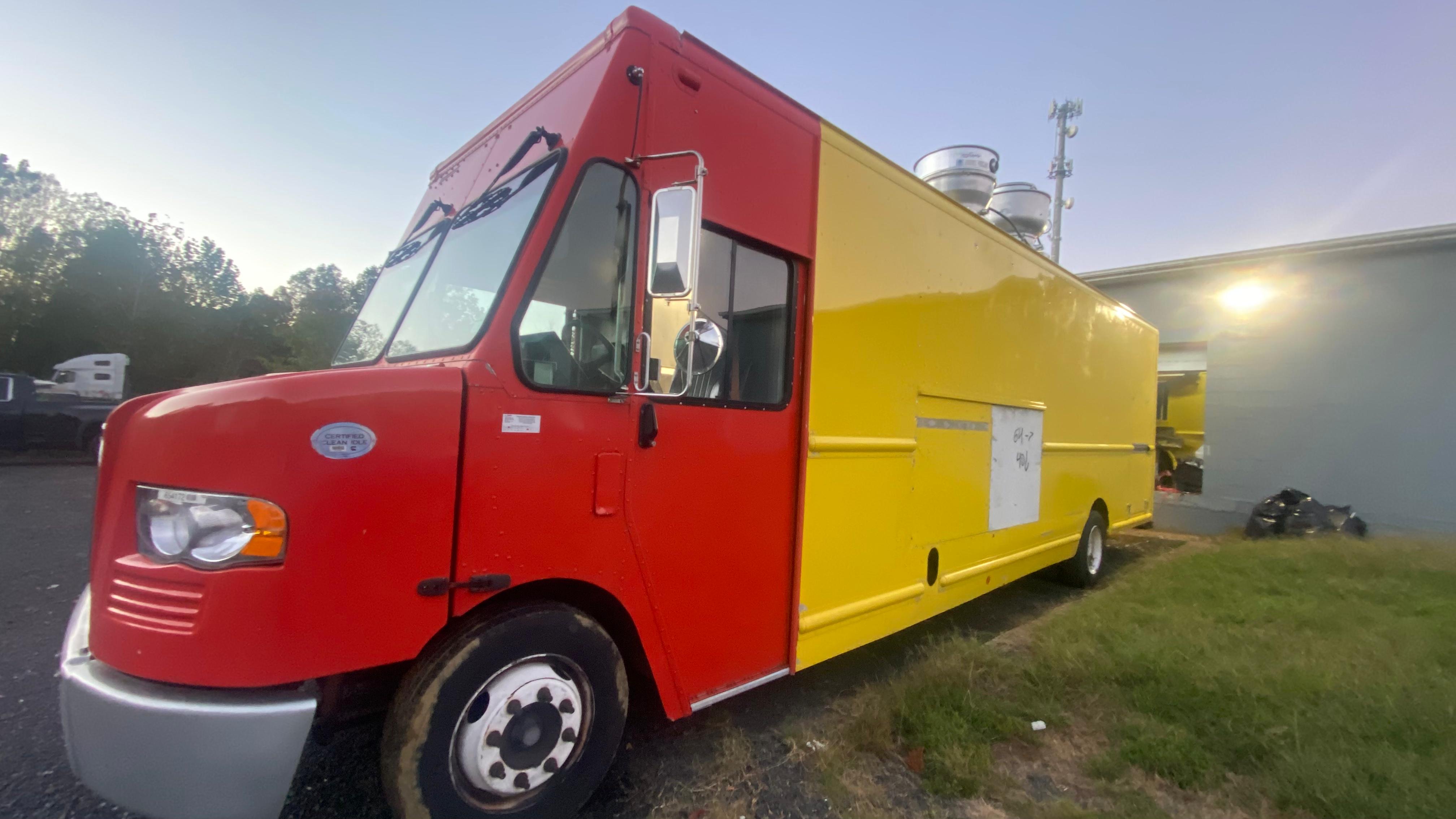
The palette that works: white, cream, light gray, pale yellow
Let me give you a concrete example. A truck in Norfolk called "The Crispy Cod" went with a cream base and teal lettering. After two Virginia summers, the wrap still looked new. Their dark blue competitor across the street? Peeling at the edges by month 14.
White is obvious. But pale yellow, light sage, and warm cream all perform nearly as well while giving you more personality. The key is keeping the base color's Light Reflectance Value (LRV) above 70%. Most wrap shops won't mention this number. You have to ask.
If you want to see real numbers for your specific concept,
get a custom quote that includes wrap specifications tailored to your climate.
Why Virginia heat is different from Arizona or Florida
Here's where it gets interesting. Virginia isn't the hottest state. But it's uniquely punishing for wraps because of
humidity + UV intensity.
In Arizona, the heat is dry. Your wrap might last 5 years because there's no moisture attacking the adhesive. In Florida, it's humid but the UV index is slightly lower year-round. Virginia sits in a nasty middle: high UV from April through September, plus humidity that hits 80% regularly.
That combination accelerates adhesive failure faster than either extreme alone. I've seen wraps in Norfolk fail in 14 months that would have lasted 3 years in Phoenix.
This brings us to the question that actually matters: what colors resist this specific environment best?
Top 5 wrap colors for Virginia heat (ranked by real performance)
1.
Gloss white – LRV 85%. Surface temp rarely exceeds 115°F. Boring? Maybe. Effective? Absolutely.
2.
Warm cream – LRV 78%. Looks premium, stays cool, hides minor dirt better than white.
3.
Pale sage green – LRV 72%. On-trend for 2026, reads as "natural" and "fresh" to customers.
4.
Light steel gray – LRV 70%. Professional, hides road grime, works for savory trucks.
5.
Butter yellow – LRV 68%. High visibility, cheerful, and surprisingly cool for a yellow.
Notice what's not on this list: red, dark blue, forest green, black, and especially matte black. That last one is the worst possible choice for Virginia. It absorbs everything, shows every scratch, and turns your truck into a greenhouse.
Accent colors that won't kill your wrap's lifespan
You don't have to run a white box. Smart accent placement keeps your branding visible without cooking your truck.
Use dark colors only on the
upper 30% of the truck body, where heat rises anyway. Keep the lower 70% in light colors. This gives you a two-tone look that's actually functional.
Avoid full-wrap dark gradients. They look great in the showroom and terrible after one Virginia July. Instead, use dark accents as stripes, lettering, or logos on a light background.
For more on this approach, read
food truck wrap design tips for hot climates that actually work. It covers material selection and graphic placement in detail.
The material matters more than the color
Here's what few people know: you can put the perfect color on a cheap vinyl and it will still fail. Virginia humidity destroys economy-grade calendered vinyl within 18 months. You need
cast vinyl with a UV-resistant laminate.
Cast vinyl stretches and contracts with temperature changes. Calendered vinyl doesn't. In Virginia, where a truck might go from 95°F at 3pm to 65°F at 9pm, that expansion cycle kills cheap wraps fast.
Budget another $500-800 for a quality laminate. It's the difference between a 4-year wrap and an 18-month disappointment.
If you're planning a full build and wrap together,
Custom Food Truck Cost Breakdown: How to Budget Your Build in 2026 will help you allocate funds properly so you don't cut corners on the wrap.
What I'd tell a friend in Virginia starting a food truck
Pick a light base color. Use dark accents sparingly. Spend the extra money on cast vinyl with UV laminate. And don't let a wrap shop talk you into a trendy dark color because "it looks better in photos."
Your truck spends 8-10 hours a day in direct sun. Your staff works inside it. Your refrigeration fights to keep up. The "best colors for food truck wrap in Virginia heat" aren't a style choice—they're an operational decision.
If you want to run the numbers for your specific truck concept,
mobile kitchen consultations can walk you through wrap specs, material costs, and color strategy before you spend a dime on vinyl.
The trucks that survive Virginia summers aren't the prettiest ones at launch. They're the ones that still look good in year three.