SEO Article · June 17, 2026
Custom Food Truck Cost Breakdown: How to Budget Your Build in 2026
How Much Does It Really Cost to Open a Food Truck? Nobody Gives You the Real Number
You've seen the Instagram trucks. The wrap is perfect. The menu is tight. The line is around the block. And you're sitting at your kitchen table thinking, "I could do that. How hard can it be?" Here's the number nobody tells you: 73% of food trucks in Houston close before their second year. It's not because the food is bad. It's because the custom food truck cost breakdown they started with was wrong. They underbudgeted by $20,000 to $40,000 and ran out of runway before they ever served a paying customer. So let's stop pretending. You want the real number for a custom build in 2026? I'll give it to you. But first, you need to understand where that money actually goes.The Three Layers of a Food Truck Build (And Where Most People Get Burned)
Every custom food truck has three cost layers. If you only budget for the first one, you're already in trouble. Layer 1: The VehicleThis is the obvious one. A used step van, cargo van, or box truck. In 2026, a decent used vehicle that won't break down in six months runs $15,000 to $35,000. A new chassis? You're looking at $50,000 to $80,000 before you cut a single hole in it. But here's what nobody mentions: the vehicle is the cheapest part of the build. It's also the part where cutting corners costs you the most. Layer 2: The Build-Out (This Is Where "Custom Food Truck Cost Breakdown" Gets Real)
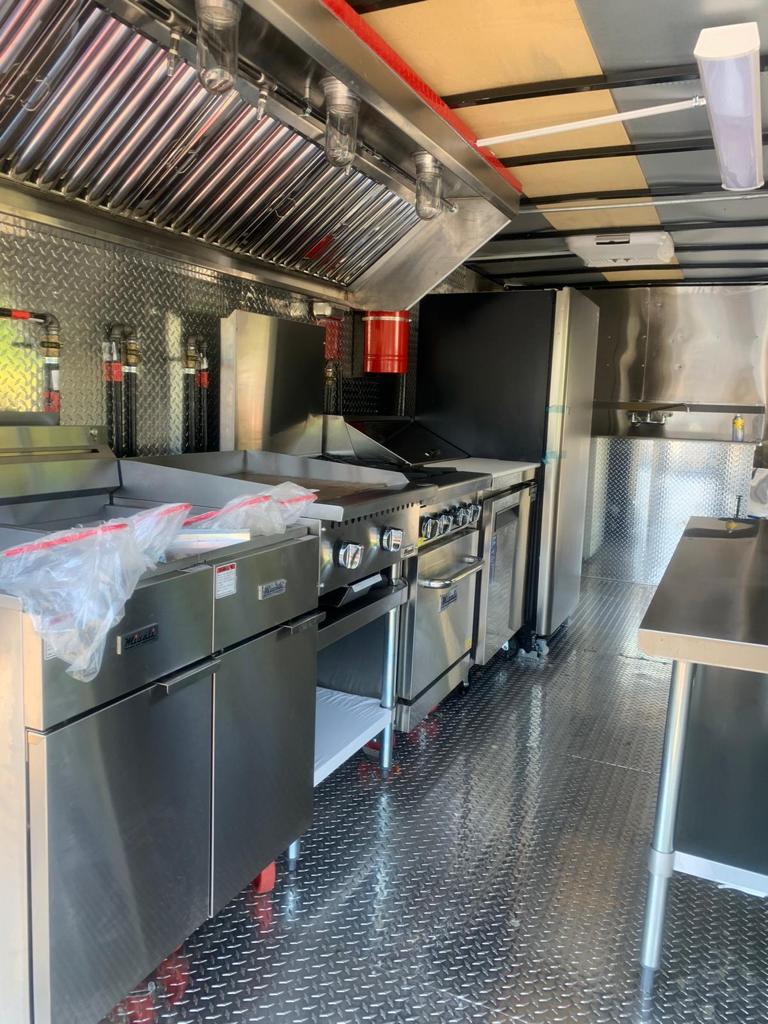
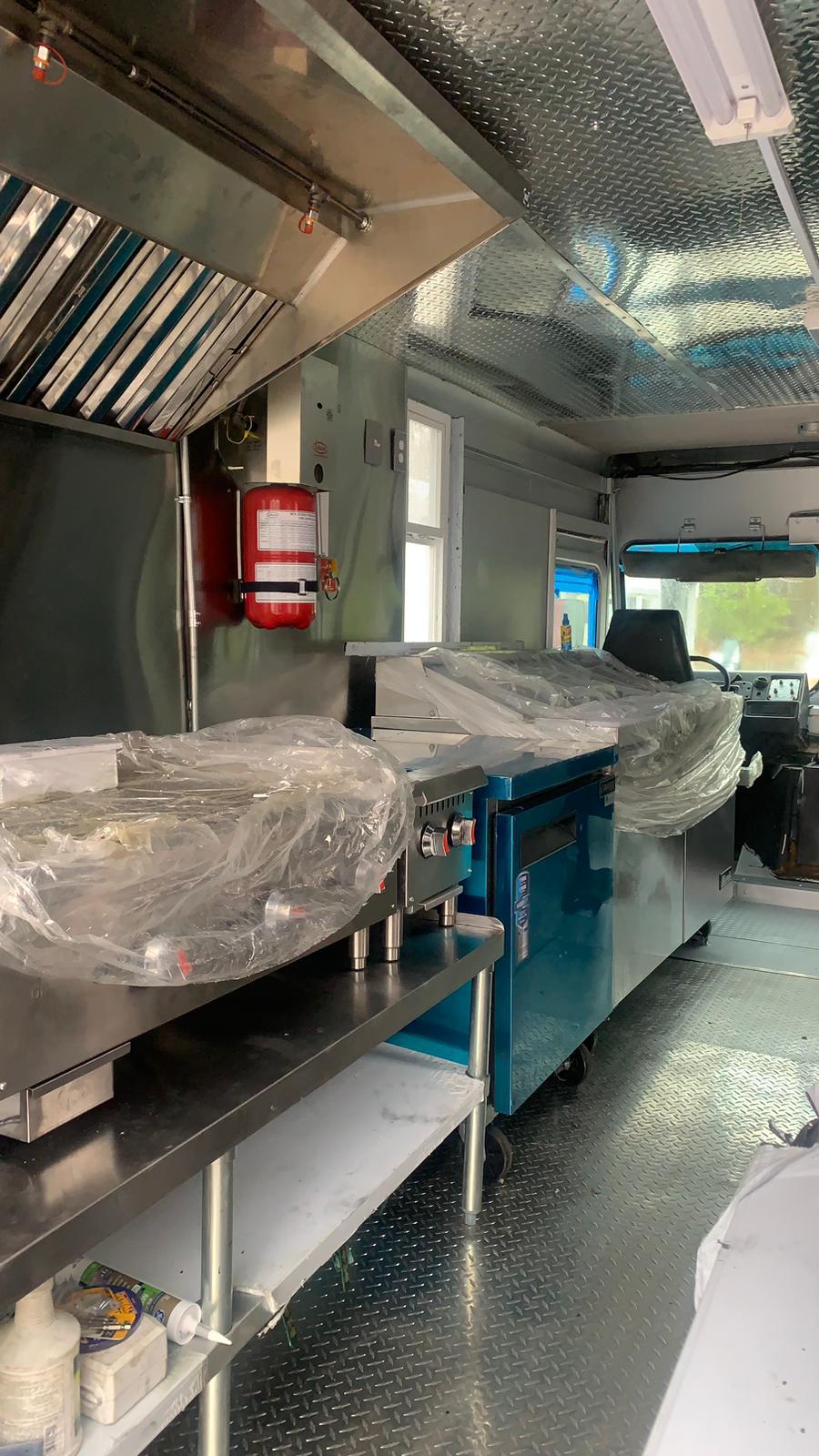
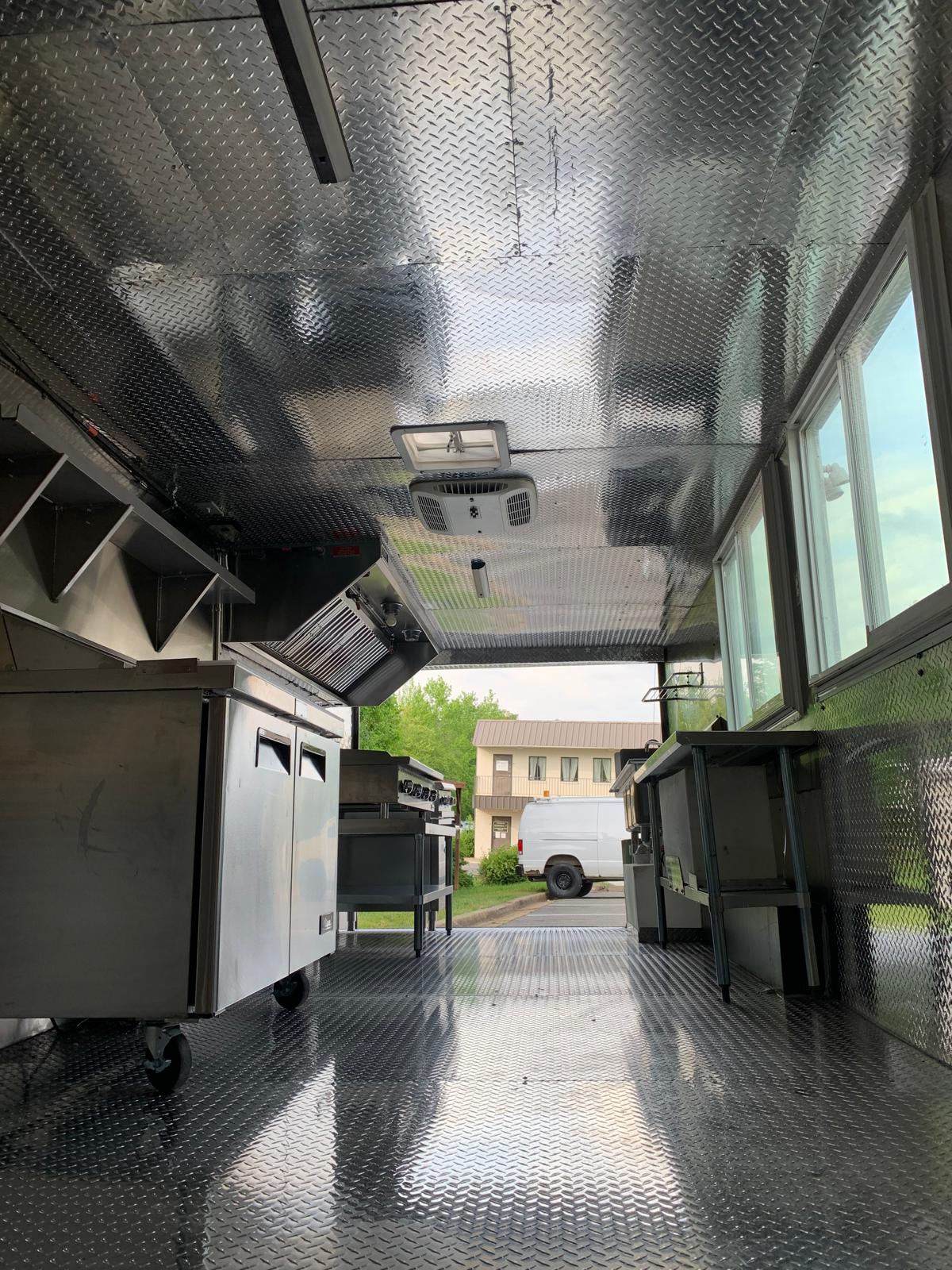
This is the kitchen. The stainless steel countertops, the three-compartment sink, the hood system, the electrical panel, the propane lines, the water tanks, the generator. This is where a custom food truck cost breakdown stops being a theory and starts being a spreadsheet that keeps you up at night. A basic build-out — think hot dogs, prepackaged snacks, minimal cooking — starts around $25,000. But if you're doing anything that requires heat, oil, or refrigeration, you're looking at $40,000 to $70,000 for a professional build that passes health inspection on the first try. And if you want something truly custom? A taco truck with two flat tops, a fry station, and a walk-in cooler? You're at $80,000 to $120,000 before you wrap the thing. Layer 3: The Hidden Costs (The Ones That Kill You)
This is where the 73% fail. Permits. Licenses. Insurance. Commissary fees. Point-of-sale systems. Initial food inventory. Marketing. That first month where you're learning your route and nobody knows you exist. Budget $10,000 to $15,000 for these costs alone. Minimum.
What Van-to-Food-Truck Conversions Actually Cost in Houston
Let me give you a real example. A client in Houston came to us with a 2019 Ford Transit 350. He'd already bought it for $28,000. He thought his build would cost $20,000. His actual custom food truck cost breakdown looked like this:- Vehicle: $28,000 (purchased)
- Build-out (custom kitchen, hood, plumbing, electrical): $52,000
- Permits and licenses (Houston, Harris County, TABC): $4,200
- Insurance (commercial auto + liability): $3,800/year
- Commissary rental (first three months): $2,400
- Initial food inventory and packaging: $3,500
- POS system and marketing materials: $2,100
Why Your Houston Conversion Budget Is Wrong
If you're budgeting based on what you saw on YouTube or what a friend-of-a-friend told you, your numbers are wrong. Here's why. Health department requirements are getting stricter. In 2026, Houston requires a three-compartment sink with specific drain slopes, a hood system with fire suppression, and NSF-certified equipment. You can't use a home fridge. You can't use a camping stove. The inspectors have seen every shortcut, and they will fail you. Labor costs for builders are up. Skilled fabricators who know how to weld stainless steel and run gas lines in a moving vehicle charge $85 to $130 per hour in 2026. And they're booked out four to six months. If you want it fast, you pay a premium. Supply chain isn't back to normal. Lead times on generators, compressors, and custom hoods are still 8 to 12 weeks. If you order the wrong size, you wait another two months. This brings us to the question that actually matters.How to Budget So You Don't Become a Statistic
Here's the framework I give every new owner who asks for a custom food truck cost breakdown: Step 1: Start with your menu, not your vehicle.What are you cooking? A flat-top grill? A deep fryer? A plancha? Each piece of equipment determines your electrical load, your ventilation requirements, your water usage, and your counter space. Choose your menu first. Then design the kitchen. Then find a vehicle that fits. Step 2: Add 30% to your build estimate.
Whatever number you have in your head, add 30%. Not because builders are dishonest. Because you will discover things during the build that you didn't account for. The water tank is too small. The generator doesn't have enough wattage. The hood doesn't fit. The 30% buffer is your insurance against these discoveries. Step 3: Plan for three months of operating expenses before you serve your first customer.
The build takes 8 to 16 weeks. Then you need permits, which take another 2 to 6 weeks. Then you need to learn your truck — where to park, how to dial in your setup, how to handle a lunch rush. That's three months where you're spending money and making none. Budget for it. Step 4: Talk to someone who's done it.
Not a YouTube influencer. Not a Facebook group. Someone who has actually built a food truck and passed inspection. Or better yet, a builder who can give you a real custom quote based on your actual menu and vehicle.
The Difference Between Surviving and Thriving
I've seen two types of owners. The ones who show up with a vague budget and a dream. And the ones who show up with a spreadsheet, a menu, and a realistic understanding of what a custom food truck cost breakdown actually looks like. The first group is the 73%. The second group is still serving tacos three years later.What Nobody Tells You About Financing a Custom Build
If you don't have $80,000 in cash, you're not alone. Most owners finance. But here's what nobody tells you: banks don't like financing custom builds on used vehicles. A used truck with a custom kitchen? That's a specialized asset. If you default, the bank can't easily sell it. So they charge higher interest rates or they say no. Your options in 2026:- SBA loans — best rates, but slow and requires a business plan
- Equipment financing — faster, but higher rates
- Personal loans or HELOCs — fastest, but riskiest