SEO Article · June 16, 2026
Best Food Truck Loans for First Time Owners: Top Lenders 2026
How Much Does It Really Cost to Open a Food Truck? Nobody Gives You the Real Number
You've heard the Instagram version: "I quit my 9-to-5 and bought a food truck for $30,000."
What nobody mentions is that $30,000 truck was a 2007 step van with a broken fryer and no commercial hood system. The real number for a first-time owner who wants to actually operate legally and profitably in 2026? Between $65,000 and $140,000 depending on whether you buy used, build custom, or go turnkey.
And that's before permits, insurance, inventory, and the three months of rent you'll burn through before you find your first consistent parking spot.
So if you're searching for the best food truck loans for first time owners, you're not just looking for money. You're looking for a lender who understands that a food truck isn't a car. It's a commercial kitchen on wheels, and banks treat it like a restaurant that can drive away.
Why Traditional Banks Are a Dead End for First-Time Owners
I'll save you the phone calls. Chase, Wells Fargo, Bank of America — they're not lending $80,000 to someone who's never owned a food business. Their small business loans require two years of operating history, collateral you probably don't have, and a credit score that makes you feel like you're applying for a mortgage.
The truth is, traditional banks see food trucks as high-risk. And they're not wrong — 73% of food trucks in Houston close before their second year. But that statistic includes the people who bought a rusty van and called it a business plan.
What banks miss is that a properly built, well-located food truck can gross $200,000+ per year with overhead far lower than a brick-and-mortar restaurant. The problem is finding a lender who sees that.
The Real Lenders for Best Food Truck Loans for First Time Owners in 2026
Here's where the market actually is right now:
1. Equipment Financing Companies
This is the most realistic path for first-timers. Companies like Balboa Capital, Crest Capital, and Direct Capital specialize in lending against the equipment itself. You're not borrowing cash — you're financing the truck, the hood system, the flat top grill, the refrigeration. The truck is collateral. If you default, they take the truck. That's why approval rates are higher.
Rates in 2026: 8% to 18% APR depending on credit and equipment age. Terms: 3 to 7 years. Down payment: 10% to 20%.
2. SBA 7(a) Loans — The Hard Way, But Worth It
If your credit is above 680 and you have some business experience, the SBA 7(a) is the gold standard. Lower rates (prime + 2.25% to 4.75%), longer terms (up to 10 years for equipment), and no collateral requirement under $25,000. But expect a 90-day approval process and a mountain of paperwork.
3. Online Alternative Lenders
OnDeck, Kabbage, and Fundbox will approve you in 24 hours with rates from 20% to 40% APR. These are for emergencies, not startups. If you need money fast and have revenue already, fine. For a first-time owner with no revenue? They'll laugh.
What Van-to-Food-Truck Conversions Actually Cost in Houston
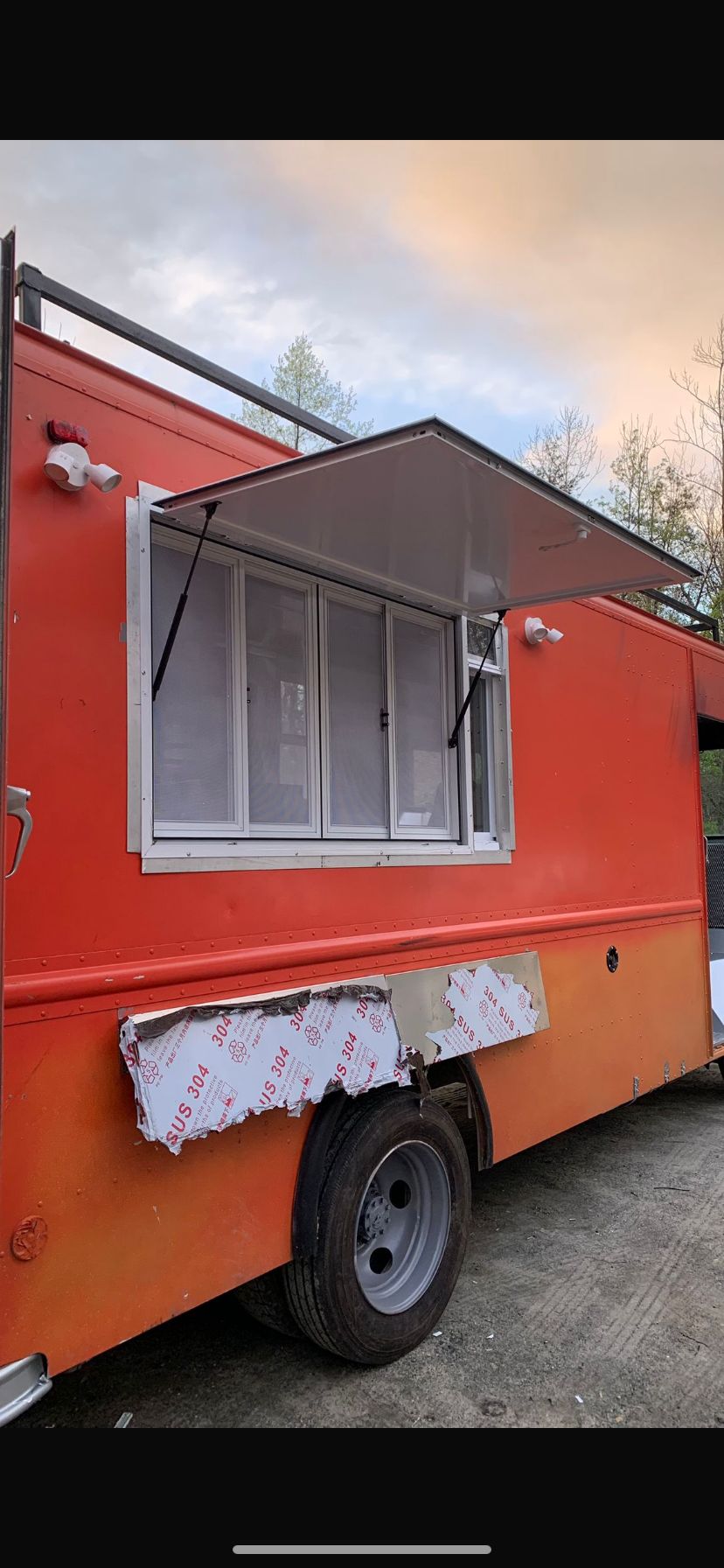
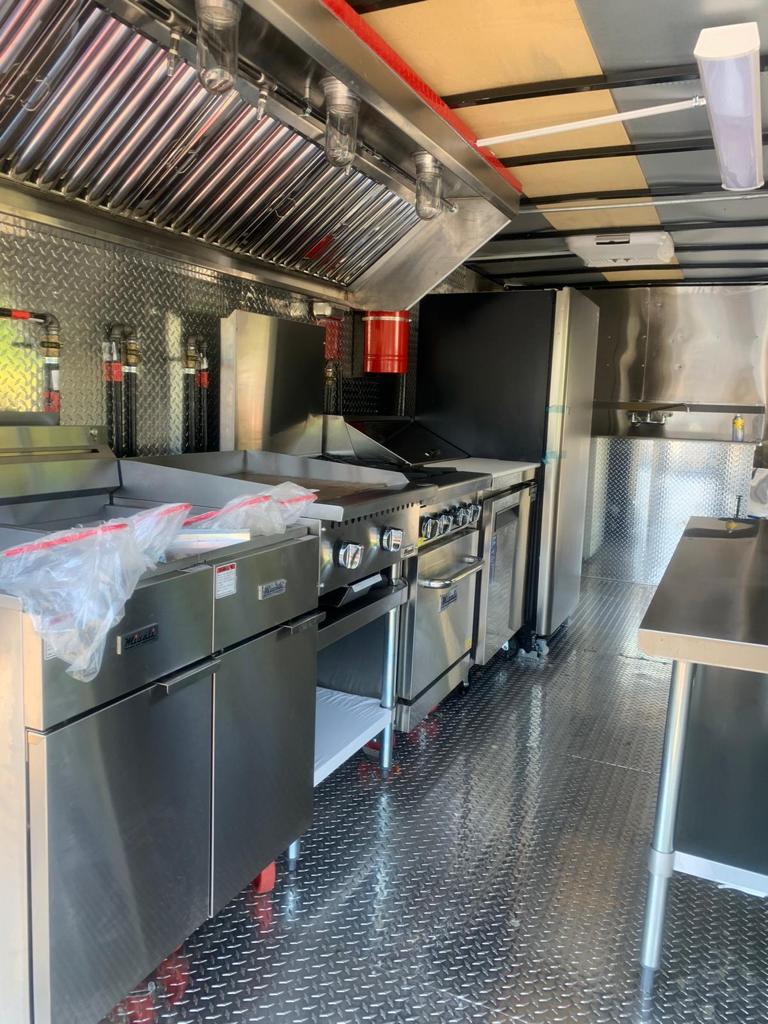
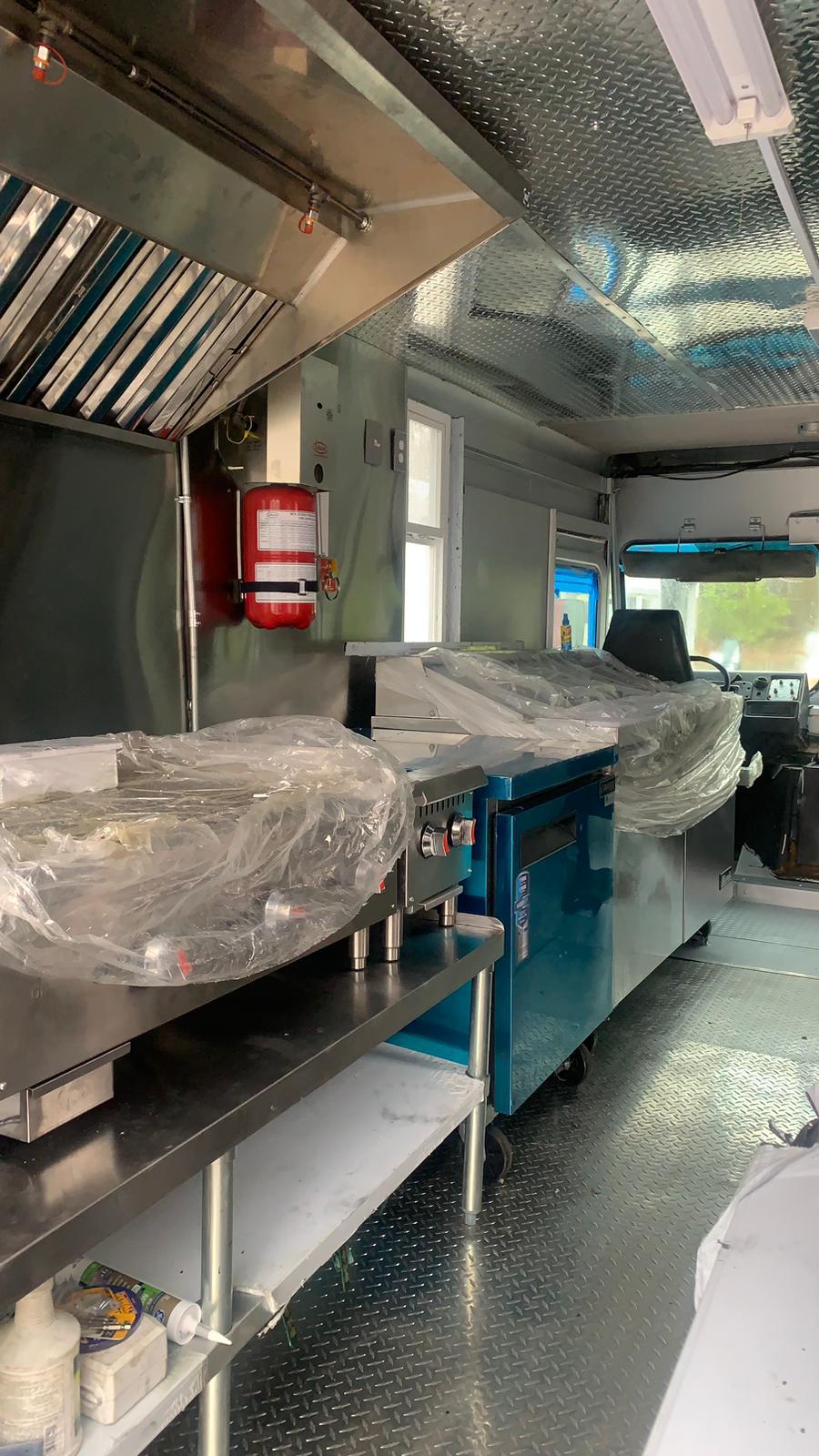
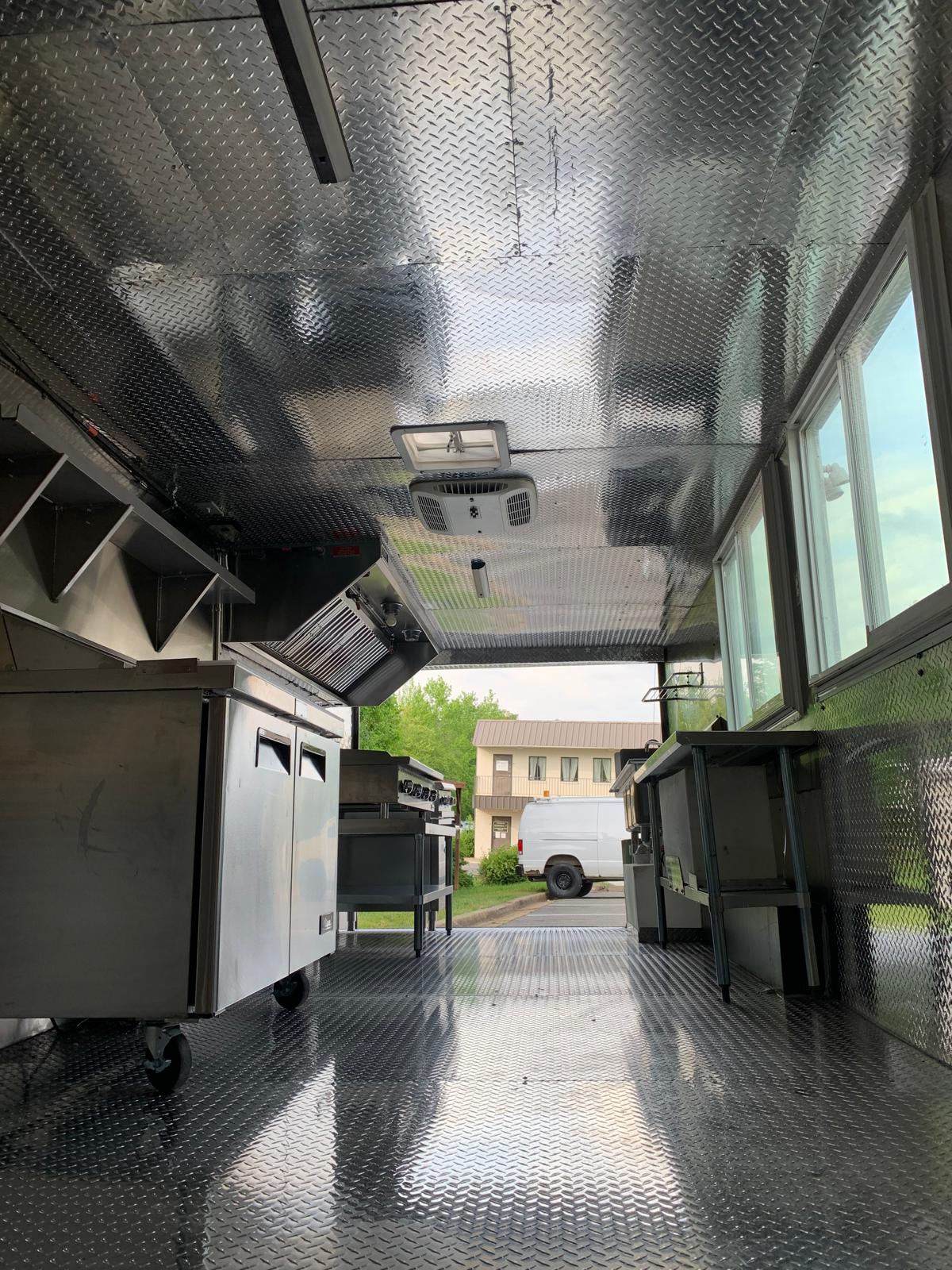
Let me give you a concrete example. A first-time owner in Houston — let's call her Maria — came to us wanting to serve tacos from a 2019 Ford Transit 350. She found the van for $28,000. The conversion cost her $42,000 for a full commercial kitchen: 3-compartment sink, hood system with fire suppression, 36" flat top grill, refrigerator, generator, and electrical work.
Total: $70,000. She put down $14,000 (20%) and financed $56,000 through equipment financing at 11.9% APR over 5 years. Monthly payment: $1,243.
She opened in March 2025. By December, she was averaging $6,800 per month in revenue. After food costs (30%), loan payment, insurance, permits, and fuel, she was clearing about $1,500 per month. Not a fortune. But she's building equity in a truck that's worth more than she owes.
That's the math nobody shows you on YouTube.
The One Mistake That Kills First-Time Food Truck Loans
You want to know why most applications get denied? It's not the credit score. It's the lack of a concrete business plan with real numbers.
Lenders don't care that your abuela's recipe is the best in the city. They care about:
- Average ticket price: $12.50
- Projected daily customers: 80
- Operating days per month: 22
- Gross monthly revenue: $22,000
- Food cost percentage: 30%
- Net profit margin: 15%
If you can't answer those six numbers with a straight face and some market research to back them up, you're not getting funded. Period.
How to Get Approved for the Best Food Truck Loans for First Time Owners
Here's the three-step process that works:
Step 1: Build your credit and your paperwork
Minimum 650 credit score. Preferably 680+. Have two years of tax returns (even if from a different job), a detailed business plan, and a personal financial statement.
Step 2: Get a real quote for your truck before you apply
This is where most people screw up. They apply for a loan before they know exactly what the truck will cost. Don't do that. Get a custom build quote first. Know the exact number. Then apply for that amount.
If you want to see real numbers for your specific concept, [get a custom quote] from a builder who understands commercial kitchen requirements. A vague loan application is a denied loan application.
Step 3: Consider a turnkey truck if you're impatient
Turnkey trucks cost more upfront — $80,000 to $150,000 — but they're ready to operate immediately. No conversion delays, no permit surprises, no "the hood system doesn't fit" headaches. If you have the capital, this is the fastest path to revenue.
For Washington State owners specifically, there are unique permit and health department requirements that make turnkey buying more attractive. Check out [how to buy a turnkey food truck in Washington State] for the real steps.
The Build-Out: Where Your Loan Gets Real
Here's a reality check: financing the truck is step one. But the build-out — the actual conversion from empty van to working kitchen — is where most budgets explode.
A proper commercial hood system with fire suppression runs $4,500 to $8,000 installed. A 36" flat top grill? $1,200 to $3,000. A 3-compartment sink with drain boards? $800 to $1,500. Generator? $2,000 to $5,000 for a quiet, reliable unit.
And that's before you touch electrical work, plumbing, propane lines, and shelving.
For a detailed breakdown of what goes into a build, read our [custom food truck design process step by step]. It's not a weekend project. It's a commercial kitchen build that takes 8 to 14 weeks.
What About Used Trucks and Concession Trailers?
If your budget is under $40,000, you're looking at used trucks or trailers. Both have trade-offs.
A used food truck might save you $20,000 upfront, but you're inheriting someone else's problems: worn-out equipment, outdated electrical, hidden grease buildup, and a layout that wasn't designed for your menu.
A concession trailer is cheaper to build and easier to tow, but you lose mobility and street parking options. Compare the two thoroughly before committing — our guide on [food truck vs concession trailer pros and cons] breaks down which makes sense for different business models.
Here's what I want you to take away: the best food truck loan isn't the one with the lowest rate. It's the one that gets you into a properly built, legally compliant truck that can actually generate revenue. A 12% loan on a $70,000 truck that makes you $80,000 a year is better than a 6% loan on a $40,000 truck that breaks down every month.
If you're serious about this, stop watching YouTube reviews of food trucks. Start talking to lenders who understand equipment. Start getting real quotes. And for the love of everything, do the math before you sign anything.
For professional guidance on your specific concept, [mobile kitchen consultations] can save you months of mistakes and thousands of dollars in wrong turns.