How Much Does It Really Cost to Open a Food Truck? Nobody Gives You the Real Number
You've seen the Instagram-perfect trucks. The lines around the block. The smiling owners holding up cash. What you haven't seen is the guy whose generator died during a Saturday lunch rush, sending 40 paying customers walking to the taco truck next door.
That's the reality nobody talks about when they're selling you the dream.
The truth is, most food truck advice is written by people who've never actually owned one. They'll tell you about menu pricing and social media strategy, but they won't tell you that your $3,000 generator might be the single worst investment you make.
And here's where it gets interesting: the difference between a smooth operation and a disaster isn't the food. It's power.
Why Your Food Truck Generator Size Calculator for Kitchen Equipment Is Probably Wrong
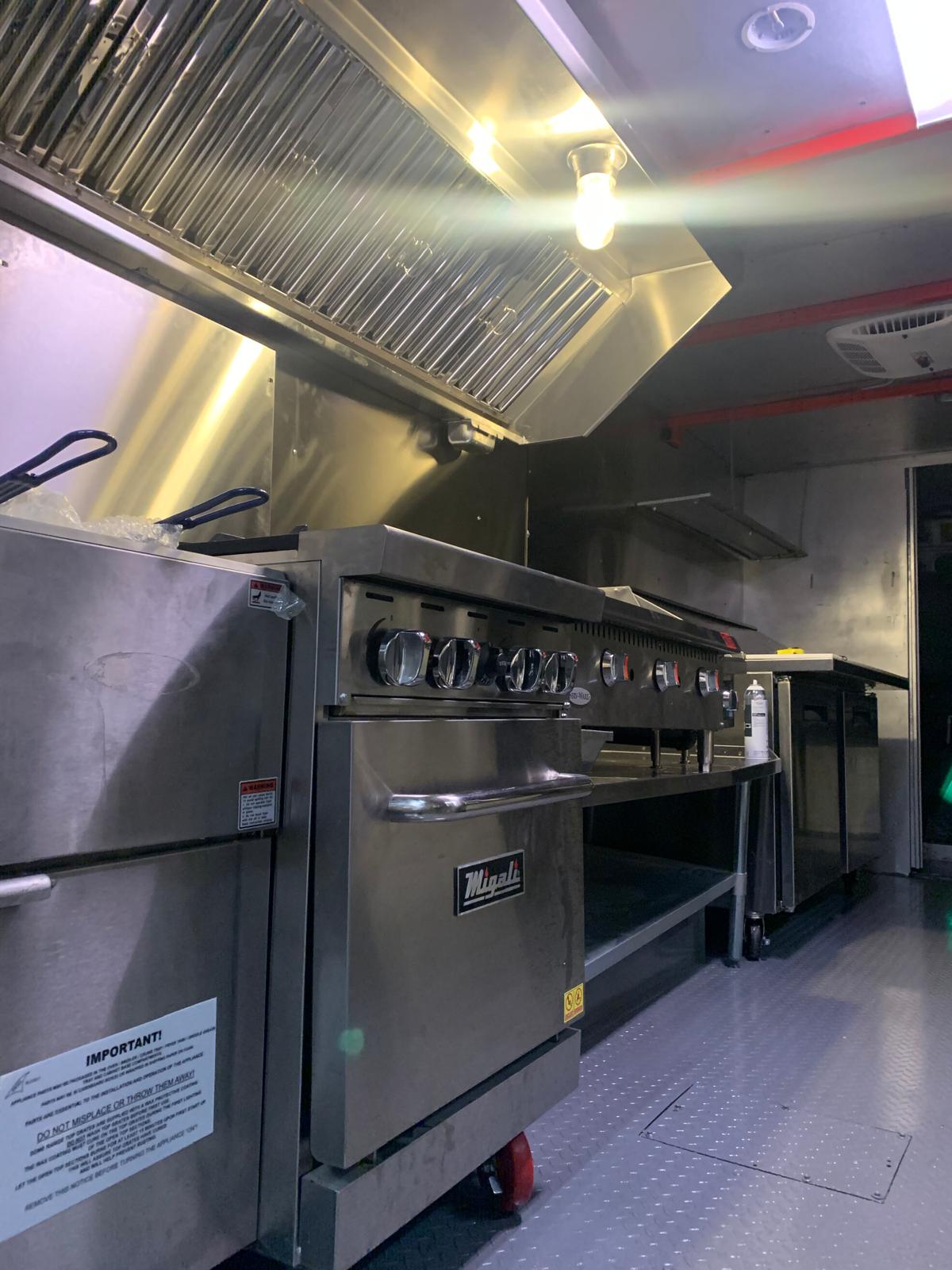
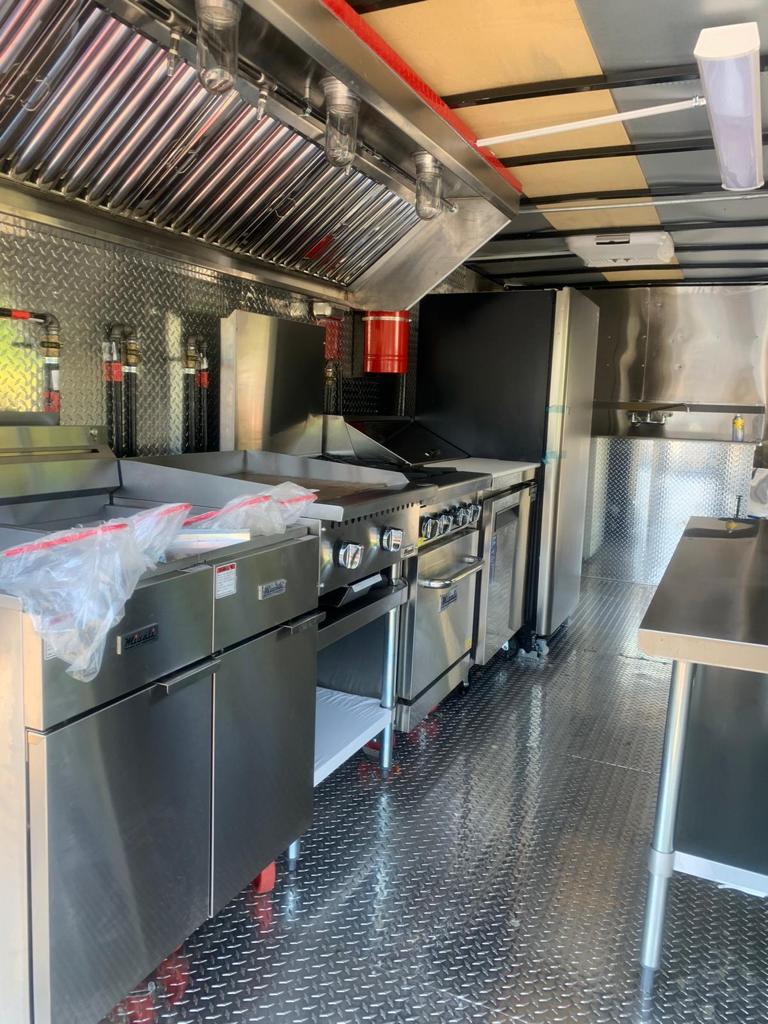
Let me give you a concrete example. A friend in Austin bought a "heavy duty" generator rated at 7,000 watts. His truck had a flat-top griddle (3,500W), a fryer (2,800W), a refrigerator (600W), and a small exhaust fan (200W). Total: 7,100W. He thought he was fine.
He wasn't.
What nobody mentions is startup surge. Motors — in refrigerators, fans, compressors — draw 3-5x their running wattage for the first few seconds. That fridge that runs at 600W needs 1,800W just to start. Add that to his griddle preheating, and his generator tripped before he could cook a single burger.
So when you search for a
food truck generator size calculator for kitchen equipment, most tools online give you a single number. Add up your watts, multiply by 1.2, buy that generator. Simple, right?
Wrong. That math works for a single appliance. Not for a mobile kitchen with 8-12 devices all fighting for power at the same time.
The Real Calculation Nobody Teaches You
Here's what you actually need to do:
Step 1: List every piece of electrical equipment in your truck. Every light. Every fan. Every pump. That phone charger you plug in during service. Yes, all of it.
Step 2: Find two numbers for each appliance. Running watts (what it uses during normal operation) and startup watts (the surge when it turns on). This information is on the nameplate or in the manual. If you don't have it, Google the model number + "starting watts."
Step 3: Identify what runs simultaneously. Your griddle and fryer might both be on at the same time. Your refrigerator runs continuously. Your lights are always on. But your blender? That only runs when you're making smoothies. Your hot water heater? Only during cleaning.
Step 4: Add your highest startup surge to your total running watts. This is where most calculators fail. They add all startup surges together. That gives you a number that's way too high. In reality, you won't start everything at once. So identify the single appliance with the highest startup surge — typically a refrigerator or air conditioner — and add that to your total running watts of everything that's on simultaneously.
Step 5: Add a 20% safety margin. Not because the calculator said so. Because generators lose efficiency at altitude, in heat, and as they age. A 10,000W generator running at 9,500W on a 95-degree day in Houston is going to struggle.
Let's run the numbers for a real truck. A typical setup in Dallas:
- Flat-top griddle: 3,500W running, 3,500W startup (electric griddles don't surge much)
- Fryer: 2,800W running, 2,800W startup
- Refrigerator: 600W running, 1,800W startup
- Exhaust fan: 200W running, 600W startup
- Interior lights: 100W running
- Point-of-sale system: 50W running
- Water pump: 100W running, 300W startup
Total running watts (everything on): 7,350W
Highest single startup surge: 1,800W (refrigerator)
Realistic total: 7,350W + 1,800W = 9,150W
With 20% safety margin:
10,980W
That's not a 7,000W generator. That's an 11,000W or 12,000W generator. And that changes your budget by $1,500-$3,000.
What Van-to-Food-Truck Conversions Actually Cost in Houston
This brings us to the question that actually matters: how much power do you really need?
In Houston, where summer heat means your generator works harder, I've seen trucks with 8,000W generators fail during lunch service. The owners saved $1,000 on the generator and lost $4,000 in a single weekend of missed sales.
The price difference between a 7,000W and a 12,000W generator is roughly $1,200-$2,000. But the cost of a single ruined event — where your generator dies mid-service and you have to refund 50 customers — can easily hit $3,000 in lost revenue plus the damage to your reputation.
If you're serious about this business, stop treating the generator as an afterthought. It's not. It's the single most important piece of equipment you'll buy.
Why Your Budget Is Wrong
Most first-time owners budget $2,000-$3,000 for a generator. That's fine for a small coffee cart or a hot dog stand. But for a full kitchen with a griddle, fryer, refrigerator, and exhaust system? You're looking at $4,000-$6,000 for a reliable unit that won't leave you stranded.
And don't get me started on the people who buy residential generators from Home Depot. Those aren't built for the vibration, heat, and continuous load of a food truck. You need a commercial-grade unit, period.
The Equipment That Changes Everything
Here's something few people consider: your kitchen layout determines your power needs more than your menu. A truck designed for
high-volume production needs more power than a truck doing 50 covers a day. A truck with a flat-top griddle needs less startup surge than a truck with a commercial microwave or a convection oven.
If you're building a truck for a specific concept — say, gourmet grilled cheese with a panini press and a small refrigerator — you can get away with a 5,000W generator. But if you're doing fried chicken with a deep fryer, flat-top, and two refrigerators? You're in 12,000W territory minimum.
This is why
turnkey packages from reputable builders include the generator as part of the design process. They calculate the load based on your specific equipment list, not a generic formula. If a builder quotes you a price without asking what equipment you're running, run the other way.
Three Mistakes That Will Kill Your Business
1. Buying a generator that's "close enough." Close enough isn't close enough. If your calculation says 10,980W, don't buy a 10,000W generator. That extra 980W is the difference between running smoothly and tripping breakers during the lunch rush.
2. Forgetting about ventilation. Your generator needs airflow. I've seen trucks in Virginia where owners tucked the generator into a corner with no ventilation, only to have it overheat and shut down mid-service.
Virginia's zoning laws also have specific requirements about generator placement and noise levels. Check those before you mount anything.
3. Ignoring fuel type. Diesel generators are more fuel-efficient but louder. Propane generators are quieter but less efficient. Gasoline generators are cheap but unreliable for continuous use. Your choice affects your operating costs by 15-30% depending on your local fuel prices.
What to Do Next
Stop guessing. Stop using free online calculators that give you a single number. Stop trusting the guy at the equipment store who's never run a food truck.
If you want to see real numbers for your specific concept,
get a custom quote from a builder who does this every day. They'll calculate your exact load, recommend the right generator, and save you from the $3,000 mistake of buying the wrong one.
The difference between a truck that runs smoothly and one that dies during service isn't luck. It's math. Do the math before you spend the money.