Commercial Kitchen Equipment Installation for Food Trucks: The Real Build
You're Not Buying Appliances, You're Buying a System
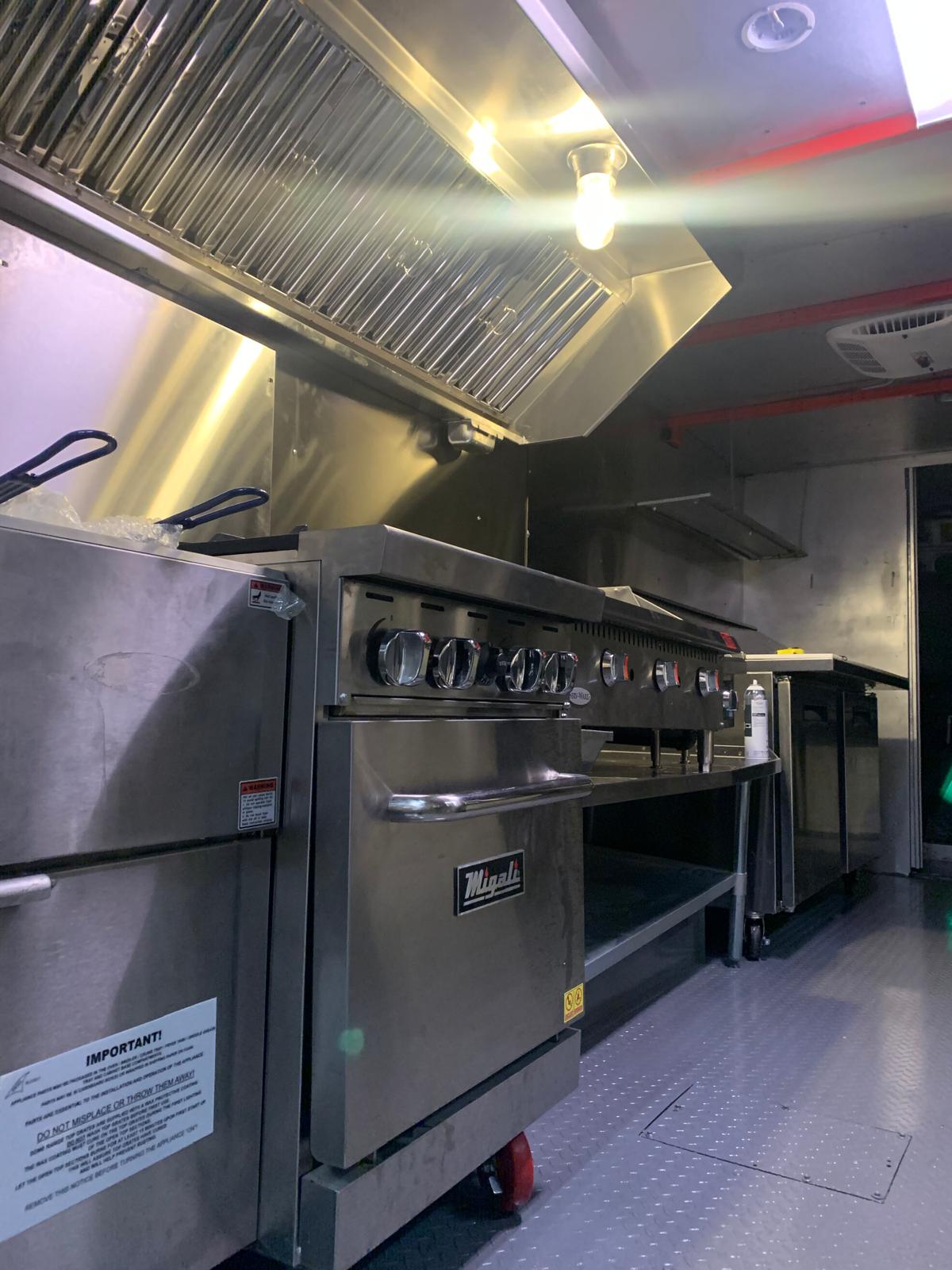
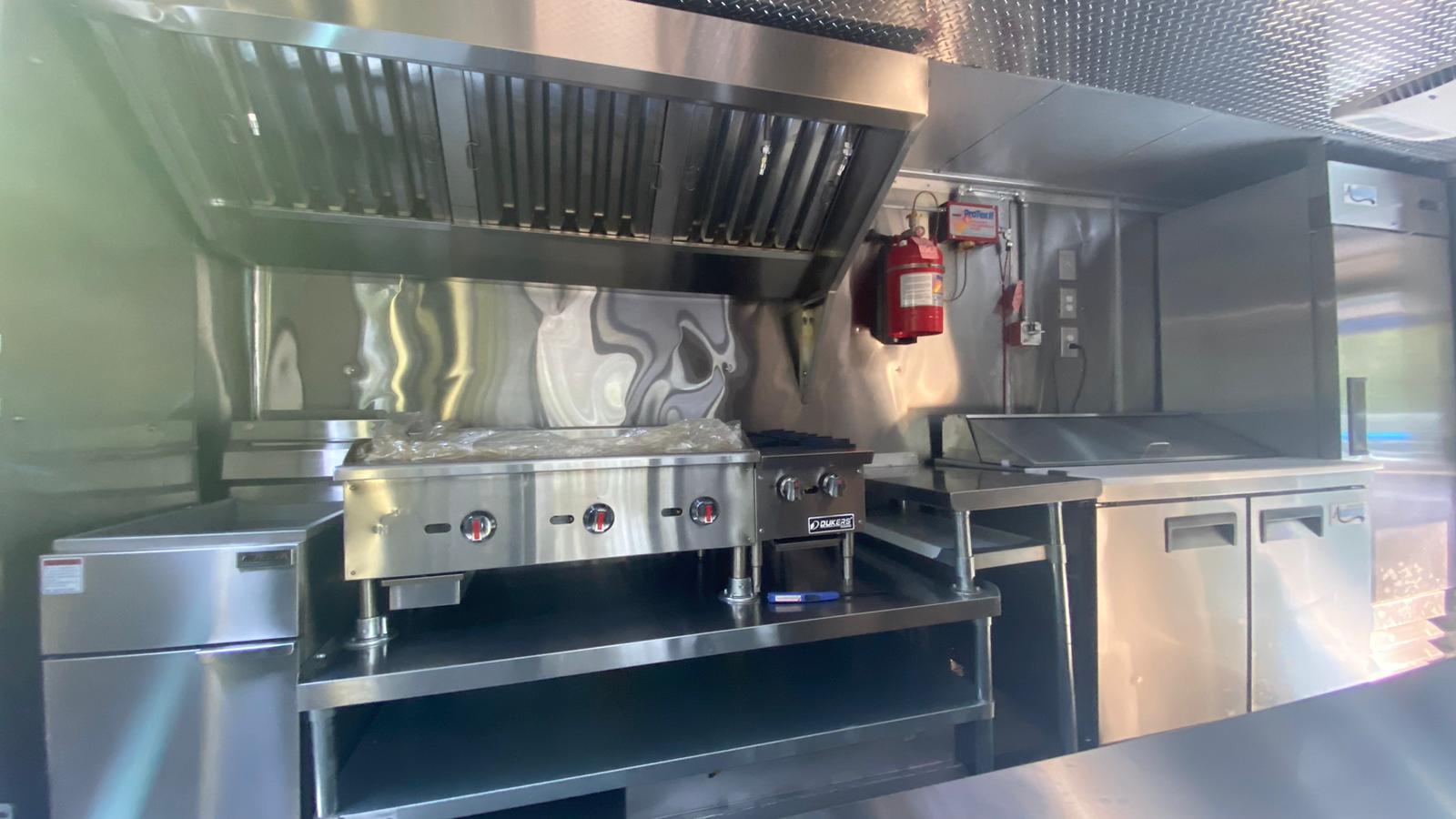
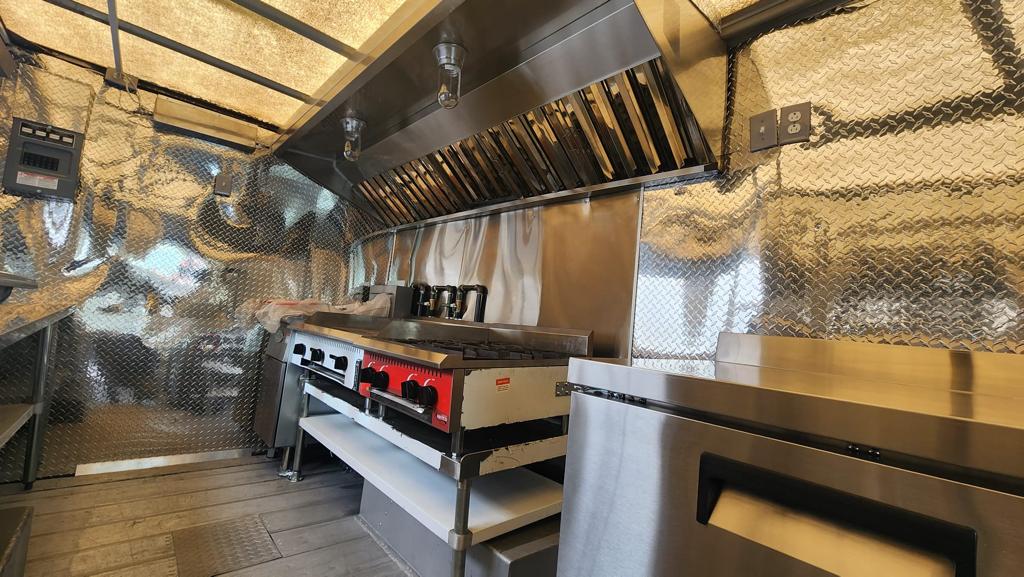
Let's cut through the noise. When you talk about commercial kitchen equipment installation for food trucks, you're not just paying someone to bolt a grill to the floor. You're paying for the integration of a high-stakes, mobile production line that must survive potholes, pass health inspections, and turn a profit. Most new owners fixate on the shiny equipment catalog. The veterans know the magic—or the misery—is in the installation. A $5,000 flattop grill installed incorrectly is a $5,000 paperweight that might also burn your truck down.
Think about it. Your builder is the architect of your workflow. The placement of your three-compartment sink relative to your prep table and hand sink dictates your speed during a lunch rush. The routing of gas lines and electrical conduit determines your safety and what repairs will cost you down the line. This is where a generic "handyman" build diverges from a professional conversion. One gets you on the road; the other keeps you in business.
The Hidden Math of a Houston Food Truck Build
Everyone wants a number. So here's a real one: for a fully-equipped, mid-range food truck serving hot food (think tacos, burgers, Asian fusion), the commercial kitchen equipment installation itself—labor, custom fabrication, plumbing, electrical, and gas fitting—typically runs between $25,000 and $45,000. That's on top of the cost of the truck, the appliances, and the ventilation hood system.
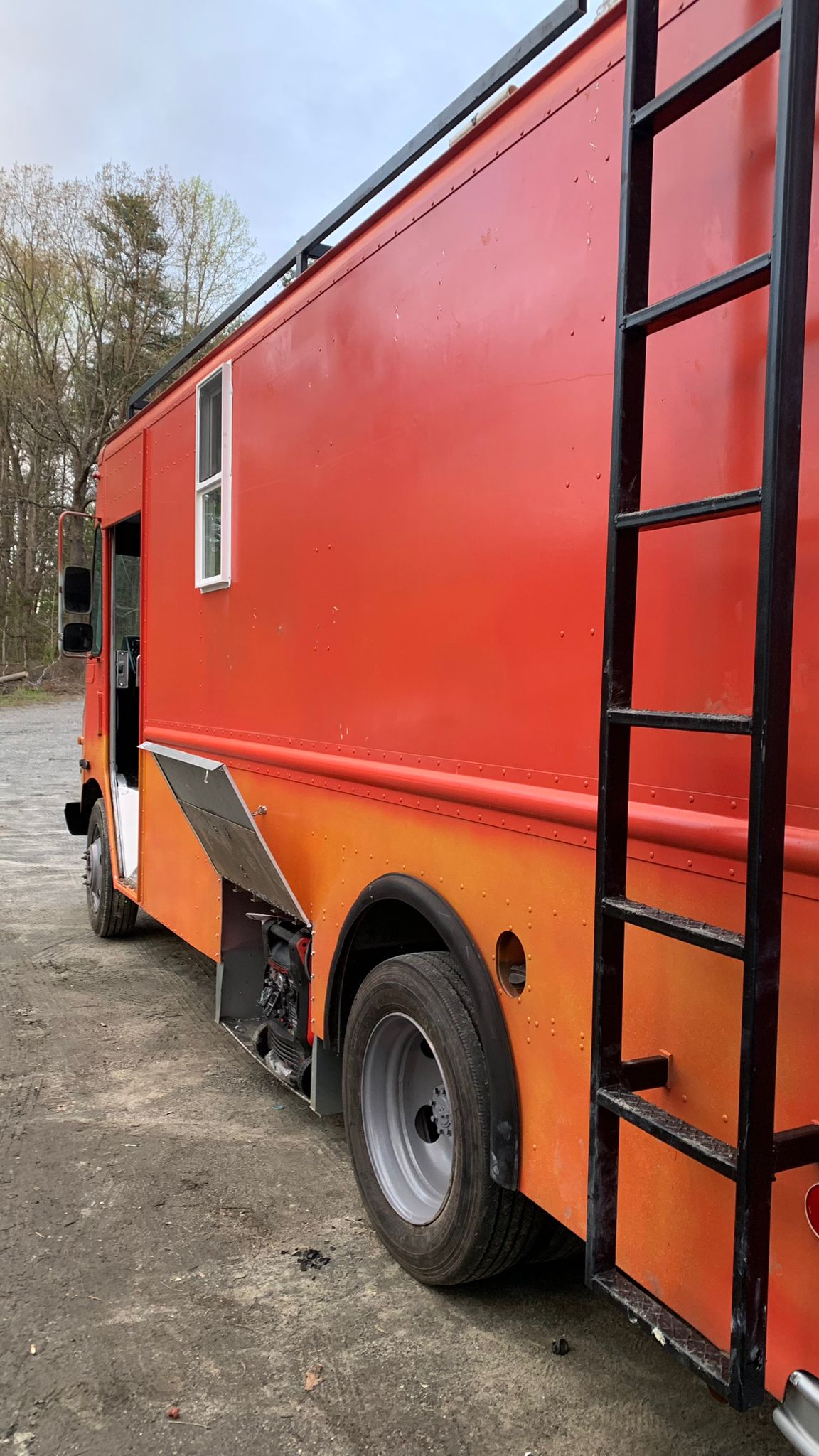
And here's where it gets interesting. That range isn't arbitrary. A $25k install might get you a functional layout in a pre-owned trailer. The $45k end? That's for a custom-designed, space-optimized kitchen in a new Mercedes Sprinter, where every inch is accounted for, every weld is clean, and every system has a dedicated shut-off and easy access panel. The difference isn't just luxury; it's in repair time, efficiency, and resale value. If you're starting with the wrong vehicle, your installation costs will balloon immediately. That's why we always recommend starting with a clear-eyed look at the best vehicles for food truck conversions in 2026.
Where Builders Earn Their Fee (It's Not Where You Think)
The biggest value a pro brings isn't wrench-turning; it's foresight. It's knowing that the health department in Austin will want a specific type of backflow preventer on your water line, while Miami might focus on condensate drainage from your fridge. It's designing the electrical panel with 20% spare capacity so you can add that extra freezer or POS system next year without a complete rewiring.
A professional builder's plan accounts for weight distribution so your truck handles safely on the highway. It ensures your generator compartment is vented correctly so you don't poison yourself with carbon monoxide. This is the unsexy, critical infrastructure that separates a hobby from a business. For a deep dive on one of the most complex parts, read our breakdown of food truck kitchen ventilation system requirements.
The 5 Questions You Must Ask Your Installer
Don't ask about timelines and price first. Anyone can promise you the moon. Ask these instead:
1. "Can you provide a detailed schematic of the plumbing, electrical, and gas systems for my records?" If they balk, walk away. You'll need this for troubleshooting and future mechanics.
2. "What is your process for securing equipment for road travel?" The answer should involve more than just L-brackets. Think about welded steel frames and vibration-dampening mounts.
3. "How do you ensure compliance with the health codes for my primary operating city and state?" They should speak specifically about jurisdictions. The rules in Seattle are not the same as in Dallas. For example, navigating Virginia mobile kitchen health department rules is its own unique challenge.
4. "What is NOT included in your quoted installation price?" Common exclusions: final health department permitting fees, propane tank certification, or painting the exterior.
5. "What does your post-installation support look like?" If you have a gas leak at 9 PM before a festival, is there a number to call?
Your Biggest Risk Isn't the Cost, It's the Delay
You've leased a commissary kitchen. You've hired staff. You've paid for marketing at a summer festival series. Now imagine your truck is stuck in a shop for two extra weeks because the installer underestimated the complexity of your hood system or is waiting on a custom part. The lost revenue and sunk costs will dwarf any upfront savings from choosing a cheaper, slower, or disorganized builder.
A professional outfit works with a vetted network of suppliers and has the fabrication skills in-house to make custom parts when needed. They manage the project with clear milestones. This reliability is a core part of the service you're buying. It's the difference between opening for the lucrative summer season and missing it entirely. This is a critical factor in the great food truck vs concession trailer Washington State debate—build complexity and time vary wildly.
So, What Should You Actually Expect?
Expect a partnership, not a transaction. Expect detailed drawings before a single cut is made. Expect a clean worksite and communication when unforeseen issues (and there will be some) arise. Expect to pay a significant deposit to secure materials, but never 100% upfront. Expect a final walkthrough where every switch, valve, and appliance is demonstrated.
Most of all, expect that the builder sees your truck not as a one-off project, but as a mobile business whose success is their reputation. The right builder becomes your first line of defense against operational nightmares. The wrong one becomes the source of them.
Your next step isn't to collect more generic quotes. It's to define your menu, your concept, and your non-negotiables. Then, have a real conversation with a builder who can translate that into steel, copper, and stainless steel. That conversation starts with professional mobile kitchen consultations.