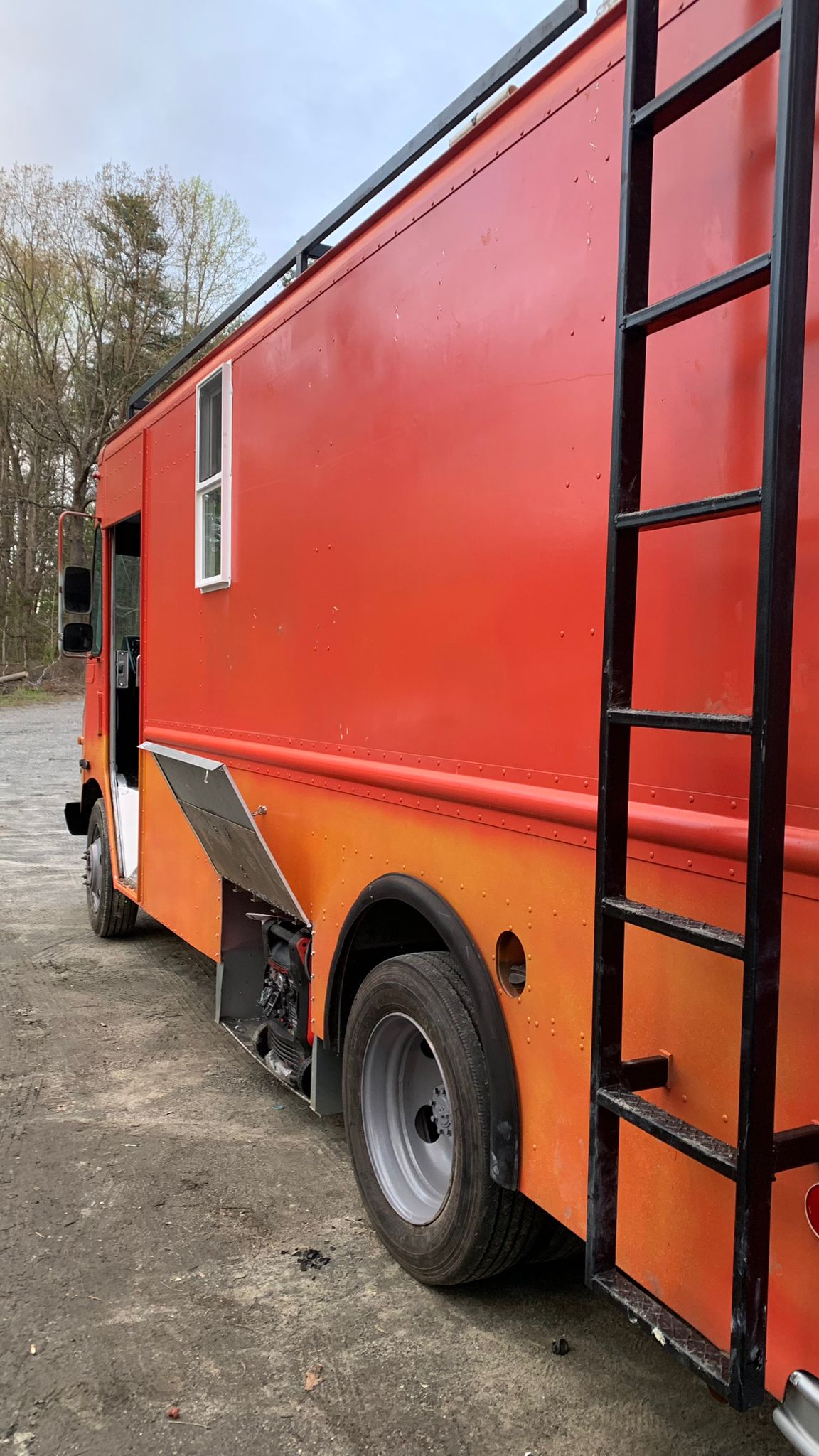
How Long Does a Food Truck Wrap Last in Texas Heat? The 2026 Reality
How Long Does a Food Truck Wrap Last in Texas Heat? The Answer Is a Lie
Most vendors will tell you a food truck wrap lasts 3-5 years. In Texas, that’s a fantasy sold to people who don’t know any better. The truth is, asking how long does a food truck wrap last in Texas heat is like asking how long a pair of boots will last—it depends entirely on where you walk, how you care for them, and who made them. I’ve seen wraps in Houston start to bubble and crack after 18 months. I’ve also seen them look pristine after 4 years in Dallas. The difference isn't magic; it's a combination of brutal, overlooked factors.
And if you get this wrong, you’re not just looking at a faded logo. You’re looking at a $3,000 to $8,000 repair bill and a mobile billboard that screams “unprofessional” to every customer in line.
The Three Real Enemies of Your Wrap (Sun Is Only One)
Yes, the UV index in Texas is a monster. But focusing solely on the sun is why owners get blindsided. Your wrap has three primary adversaries, and they often work together.
1. Thermal Cycling, Not Just Heat: It’s not the 102°F peak that kills your wrap. It’s the fact that your truck’s metal skin expands in the heat and contracts at night, over and over, 365 days a year. This constant flexing weakens the adhesive bond. In cities like San Antonio or Austin, where summer nighttime temps can still hover in the 80s, the cycle is less severe than in El Paso, where a 100°F day can drop to 60°F at night. That 40-degree swing is pure torture for vinyl.
2. Chemical & Environmental Assault: This is the silent killer. If you park under a tree, bird droppings become acidic etchings if not washed off within days. If your commissary is near industrial areas or the coast, airborne pollutants and salt accelerate fading and degradation. The grease and steam venting from your own kitchen? They create a film that, if not cleaned regularly, bakes onto the wrap and becomes impossible to remove.
3. Poor Installation (The Most Common Factor): This is where the 3-5 year promise dies on day one. A wrap is only as good as its installation. Was the vehicle surface not perfectly decontaminated and prepped? Is there a tiny edge not properly sealed? That’s an entry point for moisture and dirt that the Texas heat will exploit, leading to peeling and lifting. It’s why the commercial kitchen equipment installation for food trucks mindset matters for your brand, too—professional prep is non-negotiable.
Choosing Materials: Cast vs. Calendered Vinyl Isn't a Debate
If you’re wrapping a food truck in Texas, you use cast vinyl. Full stop. Calendered vinyl is cheaper and works for flat signs in controlled environments. It has memory and wants to shrink back, which, under relentless heat, it will. Cast vinyl is dimensionally stable; it’s designed to conform to complex curves and handle expansion and contraction. A high-quality cast vinyl with a UV-protective laminate is your only sane choice.
But here’s what few people know: the warranty is almost meaningless. Manufacturers warranty materials against fading and failure, but those warranties are voided by “commercial use,” lack of professional installation, or improper care. They are marketing tools. Your real insurance is your installer’s reputation and your own maintenance routine.
The Maintenance Schedule That Actually Works
Forget “wash it sometimes.” You need a system.
Weekly: Hand wash with a pH-neutral, automotive-specific soap. Never use dish soap, degreasers, or abrasive brushes. The goal is to remove surface grime and, critically, bird droppings and tree sap immediately.
Bi-Annually (Spring & Fall): Apply a vinyl-specific sealant or spray wax. This adds a sacrificial layer of UV and contaminant protection. It’s the single most effective thing you can do to extend the life of your wrap beyond the average.
Instantly: Any time you spill grease, syrup, or a corrosive cleaner during service, wipe it off the wrap immediately with a wet cloth.
When to Plan Your Re-Wrap: The Signs Don't Lie
Don’t wait for your wrap to look like a peeling sunburn. Proactive replacement is a business cost, not an emergency. Start budgeting for a new wrap when you see:
- Fading on Horizontal Surfaces: The roof and hood will go first. If colors there are noticeably less vibrant than the sides, the clock is ticking.
- Small Bubbles or Lifting at Edges: This is adhesive failure. Once it starts, moisture gets in and the process accelerates.
- Cracking or Brittleness: Gently feel areas near the hood or service window. If the vinyl feels dry and cracks under slight flex, its structural integrity is gone.
In Texas, with proper materials and rigorous care, a 4-5 year lifespan is an ambitious but achievable goal for a daily-driven truck. A 3-year lifespan is more common for the average owner. If you’re getting less than that, the problem wasn’t the heat—it was the process.
Your Wrap Is a Business Asset, Not a Sticker
Thinking of your wrap as a mere decoration is the first mistake. It’s your primary outdoor advertising, working 24/7. Its degradation directly impacts your brand’s perceived quality. A faded, peeling truck subconsciously tells customers the food might be old, too.
The decision chain is simple: Invest in professional installation with cast vinyl. Commit to a militant cleaning routine. Inspect it regularly. Plan for its replacement as a predictable capital expense, not a surprise. This is how you protect a $10,000+ mobile kitchen investment. Everything else is just hoping for the best.
If you want to understand how this fits into the total cost of your mobile business, start with the right vehicle. Our breakdown of the best vehicles for food truck conversions in 2026 cuts through the hype. And once you have the specs, honest mobile kitchen consultations should give you real numbers, not fairy tales about wrap longevity.