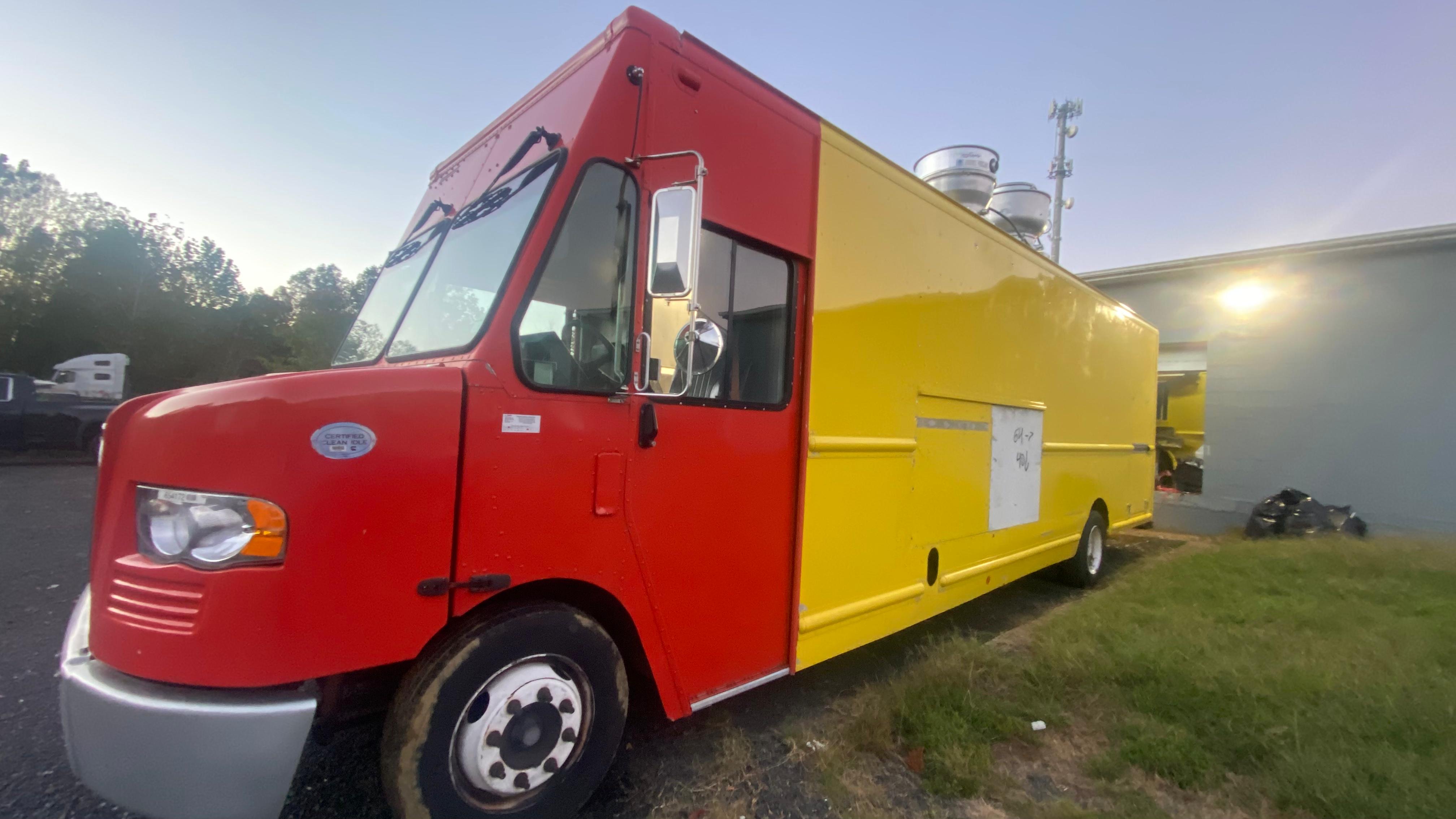
Food Truck Commissary Requirements Virginia: The 2026 Guide
Why Your Virginia Food Truck Dreams Hinge on a Kitchen You Don't Own
What if I told you the most critical piece of your Virginia food truck business isn't the truck itself, but a rented space you might only visit a few hours a week? That's the reality of food truck commissary requirements Virginia health departments enforce. It's not a suggestion; it's the non-negotiable linchpin of your entire operation. Get this wrong, and you won't get a permit. Get it sloppy, and you'll lose the one you have.
Everyone knows you need a "commissary" or "home base." What they don't tell you is that this relationship is more binding than most business partnerships. It's where your legal liability, food safety, and daily workflow converge. And in Virginia, the rules have teeth.
The Virginia Code: What "Approved Commissary" Really Means
Let's strip away the legalese. The Virginia Department of Health (VDH) requires every mobile food unit to operate from a "permitted commissary" or other approved facility. This isn't just a paperwork exercise. The commissary is legally responsible for providing specific services to your truck. It's not a storage closet.
Your licensed kitchen must provide, at minimum:
- Potable Water Supply & Wastewater Disposal: You cannot legally fill your fresh water tank or dump your gray water just anywhere. Your commissary must have designated, approved stations for both. This alone rules out 90% of "cheap warehouse spaces" people think they can use.
- Three-Compartment Sink Access: All equipment and utensils must be washed, rinsed, and sanitized in a commercial-grade three-compartment sink at the commissary at least once every 24 hours of operation. Your truck's little sink doesn't count for the full clean.
- Dry & Cold Storage: You need secure space for non-perishables and refrigerated/frozen goods. Your inspector will ask where your backstock is stored and check its temperature logs.
- Food Preparation & Packaging: Most bulk prep—like marinating meats, chopping vegetables, or pre-cooking sauces—must happen here, not in a home kitchen. This is where the health department draws a hard line.
Think of your truck as a satellite kitchen. The commissary is mission control. If mission control isn't fully operational, the satellite gets grounded.
Finding a Commissary in Virginia: It's a Jungle Out There
Here's where it gets interesting. A simple Google search will fail you. You're not looking for a real estate listing; you're looking for a business relationship. The best commissaries are often word-of-mouth.
Start by calling existing food trucks you see in Richmond, Norfolk, or Arlington. Ask politely who they use. Many successful trucks rent space from established restaurants, churches with commercial kitchens, or shared-use kitchen facilities that have sprouted up in the last few years. For example, a shared kitchen space in Fairfax County might charge between $400-$800 a month for scheduled access, which is a solid starting point for budgeting.
But price is the least important factor. You need a Commissary Agreement Letter. This is a formal document, on the commissary's letterhead, stating they permit you to use their facility and outlining the specific services they provide. No letter, no permit. The VDH inspector will call them to verify. I've seen trucks get denied because the commissary manager changed and the new one wasn't briefed.
The Hidden Cost of a Bad Commissary Relationship
It's not just about the monthly rent. A commissary that's 30 miles from your primary vending area adds hours of unpaid labor to your week. A disorganized one that double-books the sink means you're scrambling at 5 AM. A poorly managed one that fails its own health inspection? Congratulations, your truck is now out of compliance too. Your fates are tied.
This is why the process of starting a food truck in any state, whether it's Washington State or Virginia, always circles back to this foundational step. It's the unsexy, critical infrastructure.
Your Truck and Your Commissary: The Daily Dance
So you've found a place and signed the agreement. Now what? This is where operational discipline separates the pros from the amateurs. Your commissary log becomes a sacred document. Every visit—for water, for waste dump, for cleaning, for storage—needs to be documented. Time in, time out, tasks completed.
An inspector can ask to see this log at any time. Gaps or sloppy entries are red flags. They indicate a breakdown in the system, which means potential food safety risks. This daily dance is non-negotiable. It's the price of admission for the freedom of the open road.
And while you're building this operational backbone, don't neglect your truck's public face. Just as your commissary is your operational home base, your truck's wrap is your mobile identity. Understanding those costs, like the real price of a wrap in a major market, helps you budget for the full picture.
The One Question You Must Ask Before Signing Anything
Before you hand over a deposit, you need an answer to this: "Can I schedule a time to bring a VDH inspector here to review the setup for my mobile unit application?"
If they hesitate, say "we've never done that," or ask for an extra fee, walk away. A compliant commissary is familiar with the process and should be willing to cooperate. Their permit is on the line as much as yours is. Their willingness to engage with the health department on your behalf is the ultimate test of a good partner.
Navigating food truck commissary requirements in Virginia is a test of your operational seriousness. It's a filter. The health department uses it to see if you understand that this is a real food service business, not a hobby. Treat it with the gravity it deserves.
Stuck at this step? You're not alone. This is the precise moment when a conversation with experts who've mapped this terrain makes all the difference. Stop guessing and start with a clear plan. Contact us, and let's get your foundation solid.