Best Vehicles for Food Truck Conversions in 2026
The Truth About Your "Perfect" Food Truck Vehicle
Most advice on the best vehicles for food truck conversions in 2026 is written by people who've never owned one. They'll give you generic lists of "top 5 trucks" without ever mentioning the real-world trade-offs that will make or break your business. The truth is, your choice of platform isn't about a dream vehicle; it's about solving a specific set of operational problems. Are you a solo operator in a dense city like Seattle? Or are you aiming for high-volume festival catering in Texas? The answer dictates everything. Let's cut through the noise and talk about what actually works on the street in 2026.
Step Vans: The Urban Workhorse (And Its Hidden Costs)
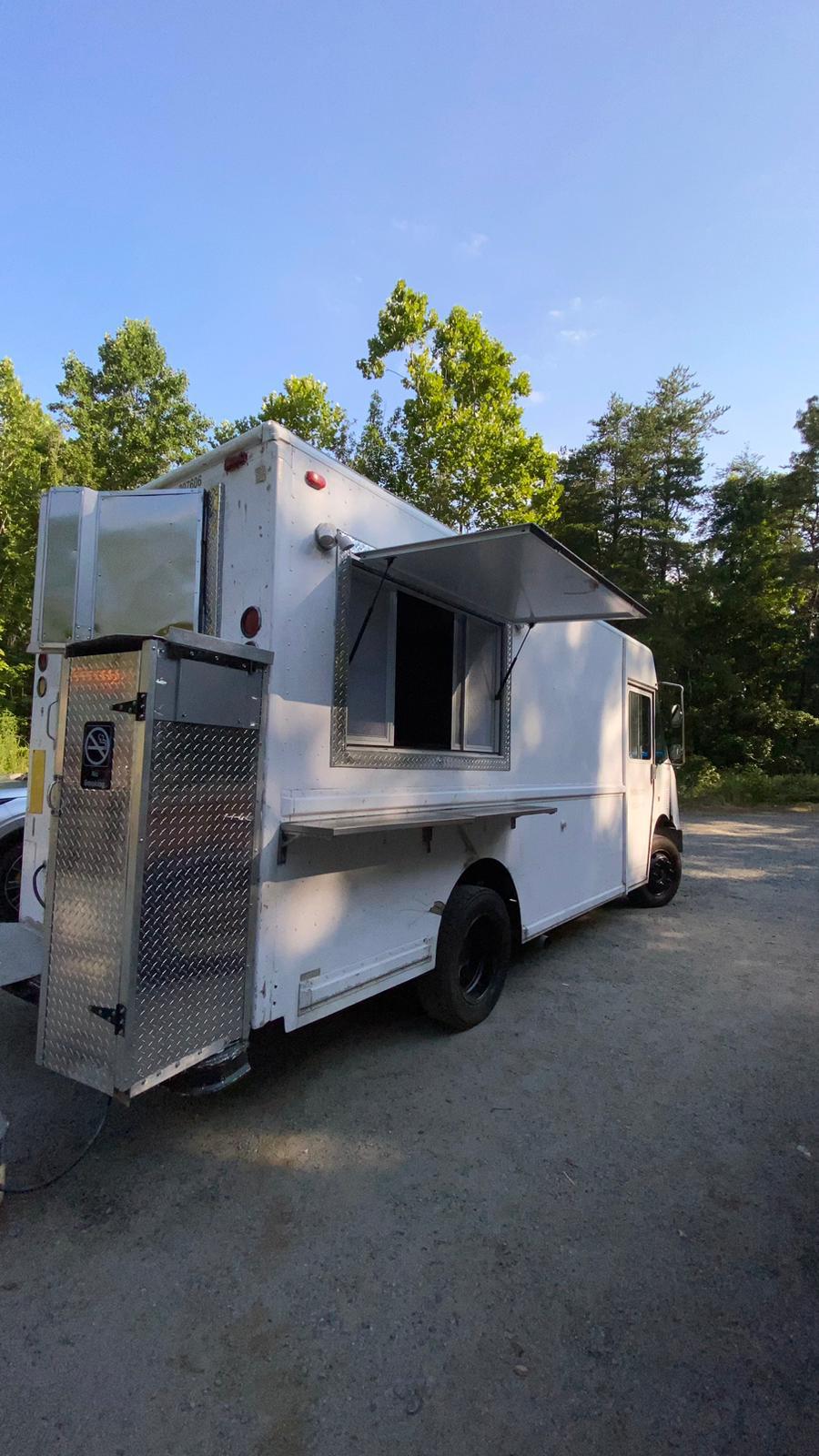
You see them everywhere: the classic Grumman Olson or Utilimaster step van. They're the default image of a food truck for a reason. The walk-in space is a huge advantage, and their boxy shape makes for a relatively straightforward build-out. In a city like Chicago, where parking is a competitive sport, their maneuverability compared to a massive trailer is a genuine business advantage.
But here’s what they don’t tell you. A decent used step van in 2026 will run you $15,000 to $30,000 before you touch it. And the "straightforward" build is a myth. These are commercial vehicles, often with dated engines (think Ford 7.3L Power Stroke or gas-guzzling V10s) that mechanics are increasingly hesitant to work on. Your $8,000 kitchen ventilation system installation just got more complicated because you're cutting into a corrugated aluminum shell. They're loud, they ride rough, and if you're over 6 feet tall, you'll be hunched over that griddle all day.
Pickup Trucks with Slide-In Camper Kitchens: The Illusion of Affordability
This is the "I already have a truck" dream. It seems so simple: buy a slide-in commercial kitchen module, drop it in your F-350, and you're in business. The upfront cost is seductive. A basic new slide-in unit can start around $25,000, and you're "done."
This is where the illusion shatters. First, you are now married to that specific truck. If the engine blows, your entire kitchen is in the shop. Second, space. You have virtually none. Where's your three-compartment sink? Your dry storage? Your refrigeration? You'll be constantly running to a commissary, which kills your operational efficiency. This setup is only viable for the most minimalist, low-volume concepts—think coffee or pre-packaged items. For actual cooking, it's a logistical nightmare.
Why Your Truck's GVWR Is More Important Than Its Brand
Everyone obsesses over Ford vs. Ram vs. Isuzu. The brand is almost irrelevant next to one spec: the Gross Vehicle Weight Rating (GVWR). This is the legal maximum weight of your loaded vehicle. A typical 16-foot step van might have a GVWR of 14,500 lbs. Once you add a heavy-duty grill, fryers, generators, water tanks, and inventory, you can easily add 4,000-6,000 lbs. Exceed your GVWR, and you're facing massive fines and voided insurance. In 2026, with health departments scrutinizing setups more than ever, an overweight truck can shut you down before you even get your permit. Always, always design your kitchen layout and equipment list before you buy the vehicle.
Enclosed Cargo Trailers: The Scalability King
This is where the conversation gets interesting for serious operators. A new 20-foot enclosed cargo trailer can be purchased for $10,000-$15,000. You build your kitchen inside it, tow it with a heavy-duty truck, and you have a completely different business model. The primary advantage? Separation. Your kitchen (the trailer) and your engine (the truck) are independent. If the truck breaks down, you can rent or borrow another one and keep catering that wedding. The space inside is also far more efficient for a kitchen layout than the narrow aisle of a step van.
The drawbacks are operational. You need a reliable, powerful tow vehicle (add $40,000+ for a new one). Maneuvering in tight urban spaces is harder. And some prime locations or private events have restrictions against trailers. But for scalability—being able to eventually own multiple kitchen trailers pulled by a single truck—it's unbeatable. The choice between a dedicated food truck and a trailer is profound, and we break down the real 2026 stakes in our comparison of a food truck vs concession trailer in Washington State.
The 2026 Budget Reality Check: It's Never Just the Vehicle
Let's put real 2026 numbers to a typical scenario in Houston. You find a "solid" used step van for $22,000. The mechanical inspection and any immediate repairs (tires, brakes, fluids): $3,000. A professional, health-department-ready interior build with plumbing, electrical, ventilation, and equipment: $55,000 to $85,000. A custom food truck wrap in Houston will cost another $3,000-$5,000. Permits, licenses, and initial inventory: $5,000. You're at a minimum of $90,000 before you sell your first taco. And that's if nothing goes wrong. The vehicle is often less than 25% of your total startup cost. Budget for the build, not the base.
So, What's the Actual Best Vehicle for a 2026 Conversion?
It depends. And that's not a vague answer—it's the only honest one.
For the solo chef targeting downtown lunch crowds: a well-maintained, shorter step van (like a 14-footer) is probably your best bet. Prioritize fuel efficiency and a layout that lets one person operate fluidly.
For a high-volume, multi-person operation focused on events and catering: an enclosed trailer is the smarter long-term investment. The build quality can be higher, and the business model is more resilient.
For the person testing a concept with minimal capital: consider a commission agreement or renting a fully-equipped truck first. The "affordable" pickup truck route usually leads to frustration and a dead-end concept.
The real work starts not with browsing classifieds, but with a brutally honest business plan. Map out your menu, your service style, your target locations, and your growth plan. Then, and only then, does the right vehicle become obvious. If you want to skip the guesswork and see what your specific concept would realistically cost to build, it's worth investing in one of our professional mobile kitchen consultations to get a real-world blueprint.